
Vio: The Pleasure of Staying Seated
The best furniture is the kind you reach for without thinking, the chair pulled out mid-conversation, the seat someone claims as theirs by the second dinner. The Vio family of chairs works in exactly that register.
The name is borrowed from the tail end of convívio, the Portuguese word for the act of being together around a table. Not just eating. Lingering.
Form as a Starting Point
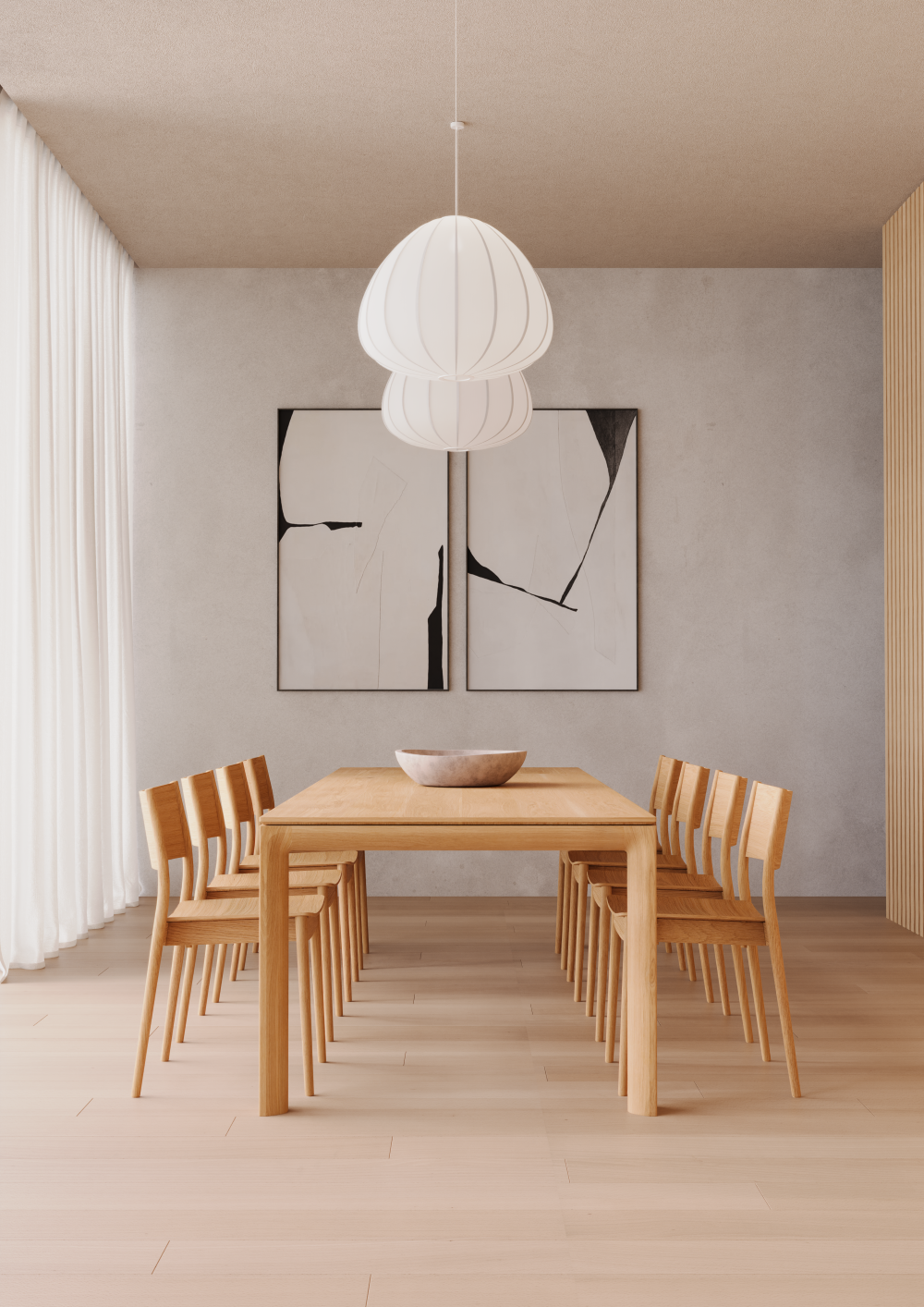
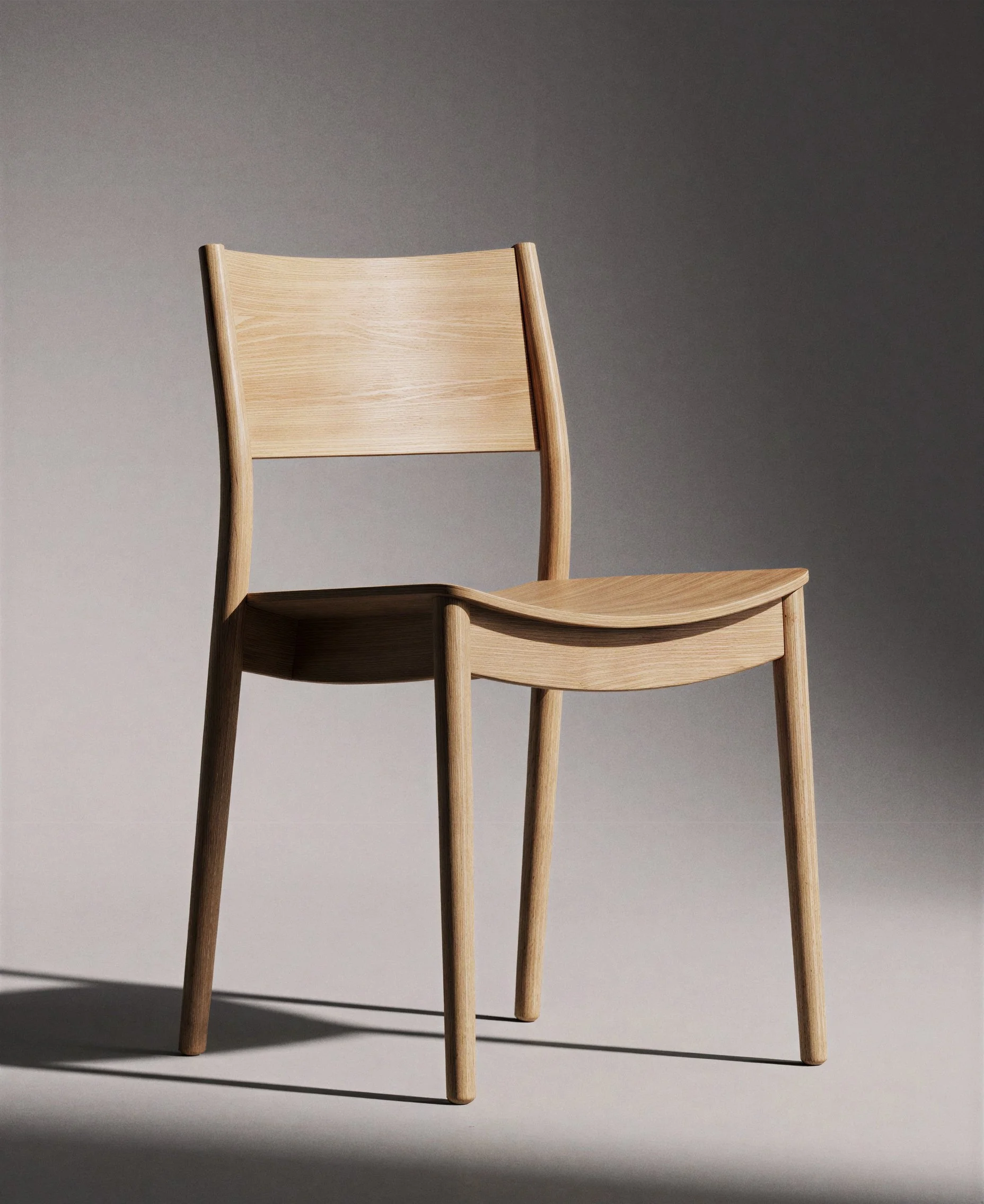
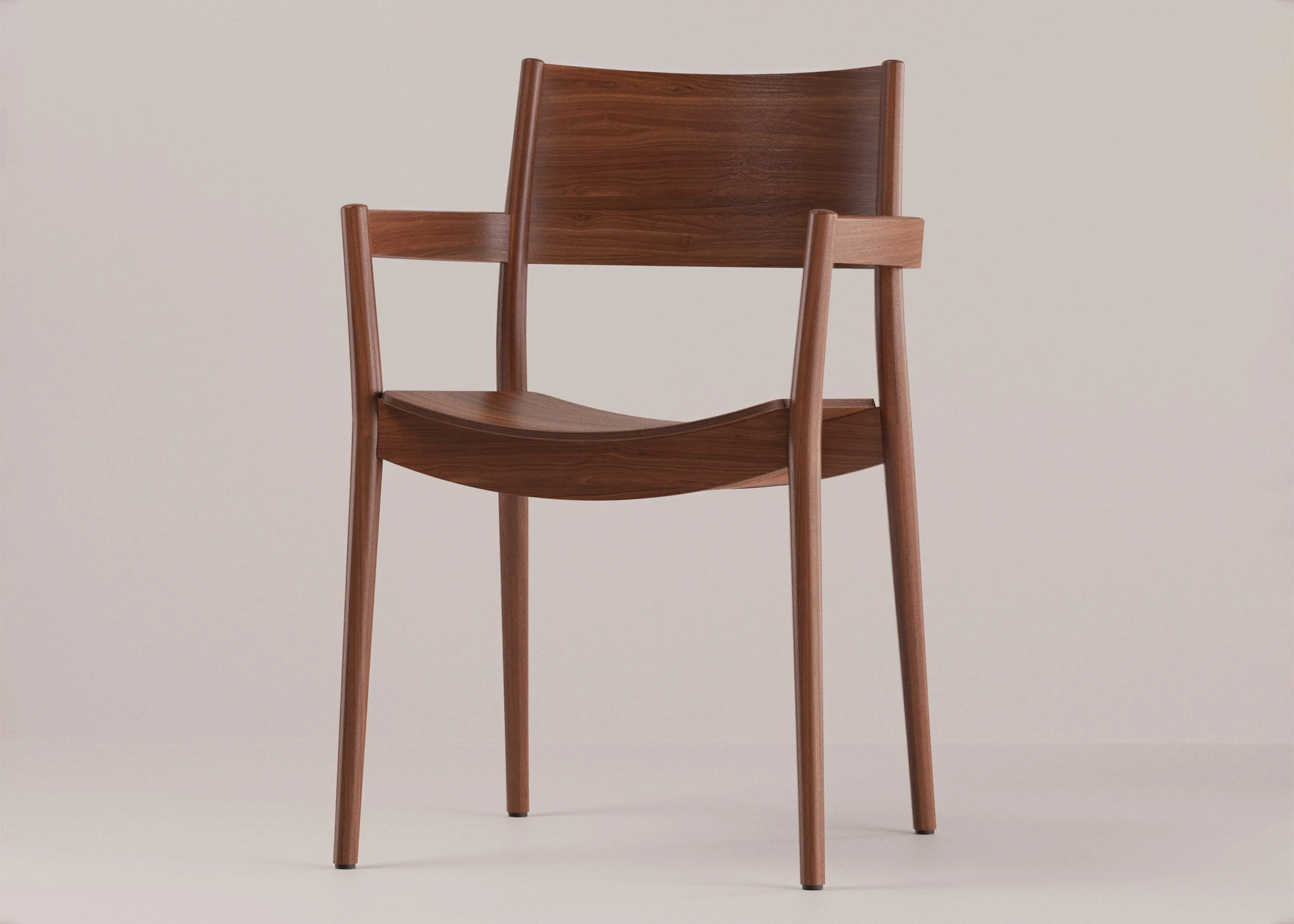
The Vio chair was designed around a single, disciplined question: what actually needs to be here? The construction is stripped to its structural core, and yet the chair never reads as sparse. Its curved geometry holds a particular tension, precise enough to feel considered, soft enough to feel welcoming. It stacks. It upholsters. It sits equally well in a farmhouse kitchen and a restaurant dining room, without trying to be all things, simply by being well made.
Built to Disappear When Not in Use
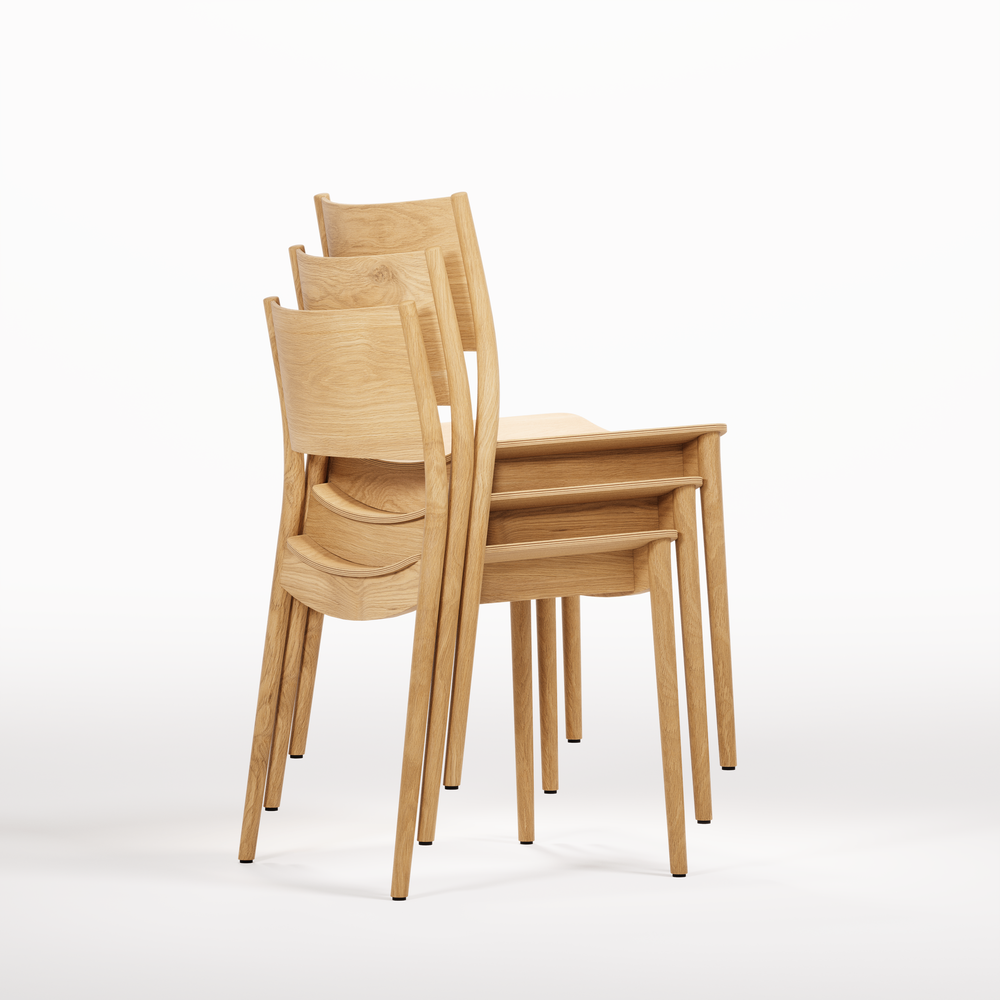
Something is telling about a chair that stacks well. It means the design was thought through beyond the single object, considered in multiples, in storage, in the reality of spaces that do not exist solely to display furniture. Both the Vio chair and the Vio armchair stack, which makes them as practical for a hospitality setting rotating between services as for a home that needs to clear the room. The silhouette does not suffer for it. If anything, stacked, they look even more resolved, a quiet argument for how structural honesty and considered form tend to reward each other.
A Second Expression
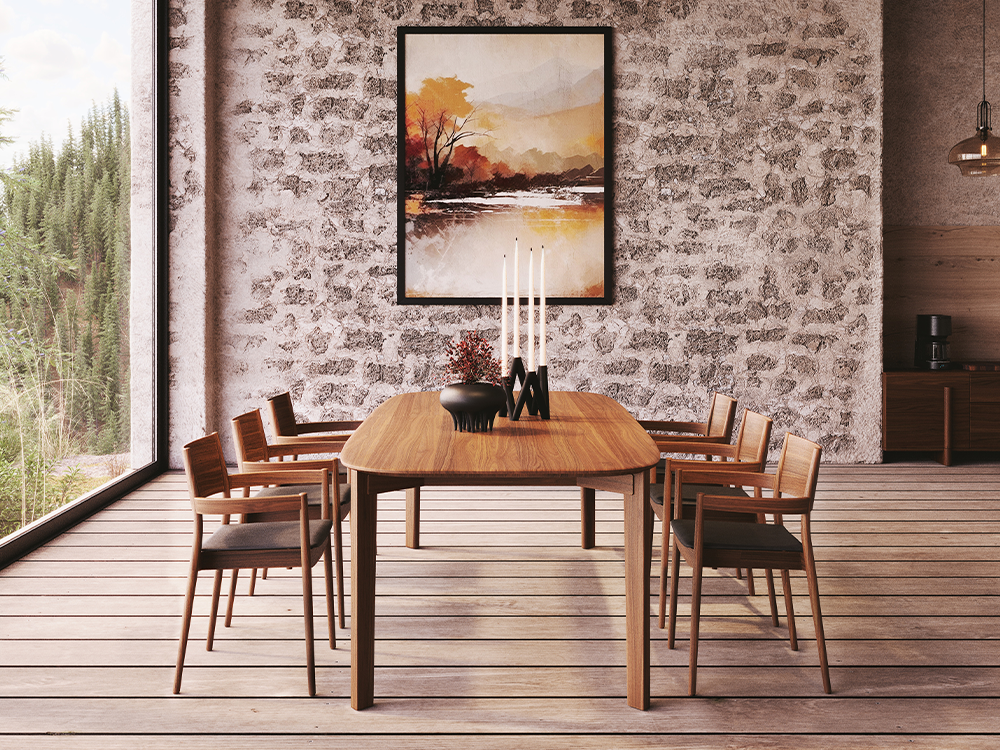
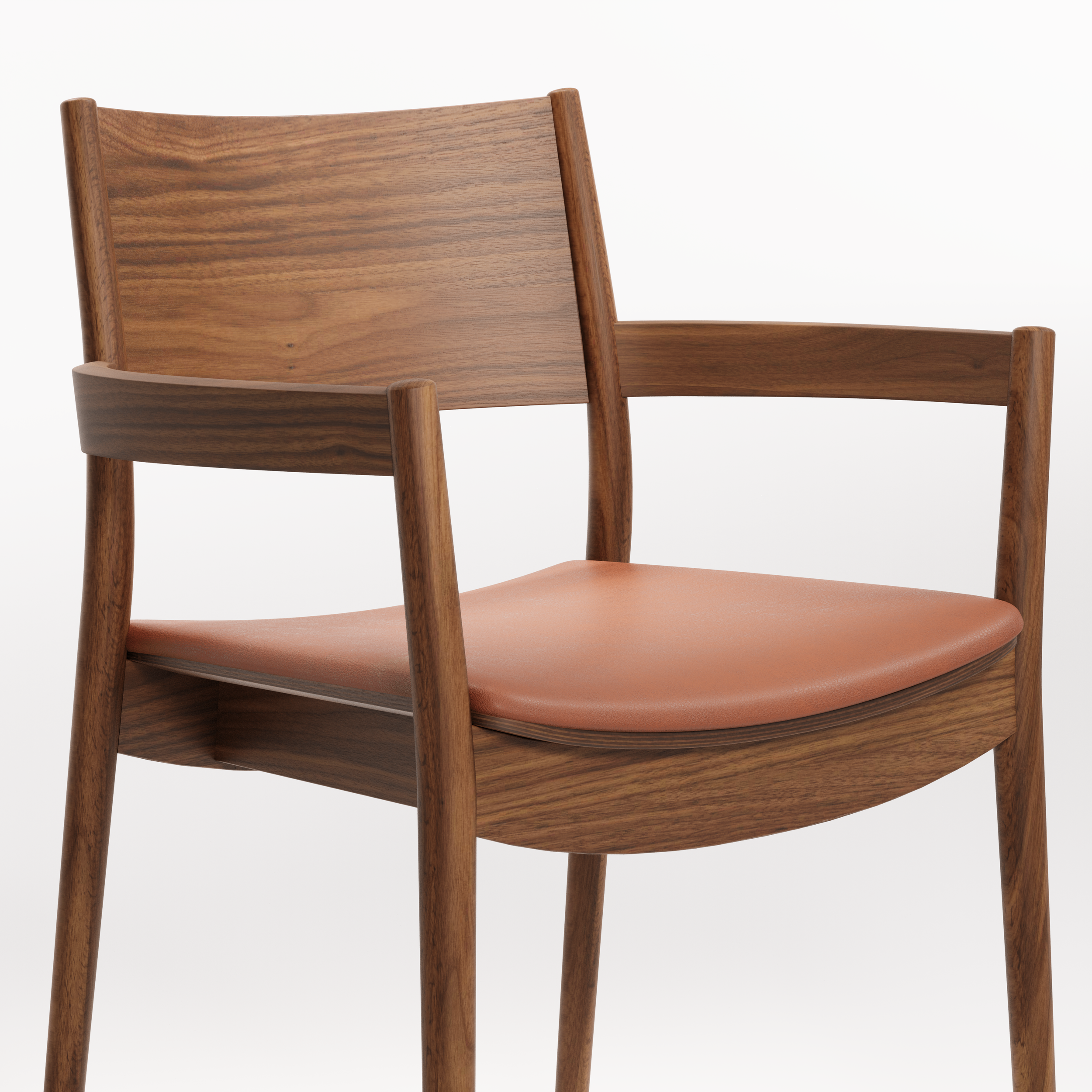
The Vio armchair shares the same bones, the same lines, the same refusal of excess. What changes is the pace. The armrests widen the gesture without complicating the silhouette, and the chair shifts register — from the focused posture of a meal to something more settled, more conversational. The head of the table, a corner of a sitting room, the kind of seat that someone takes and does not immediately vacate.
It is not a different object so much as a different mood.
Christian Haas and the Work of Restraint
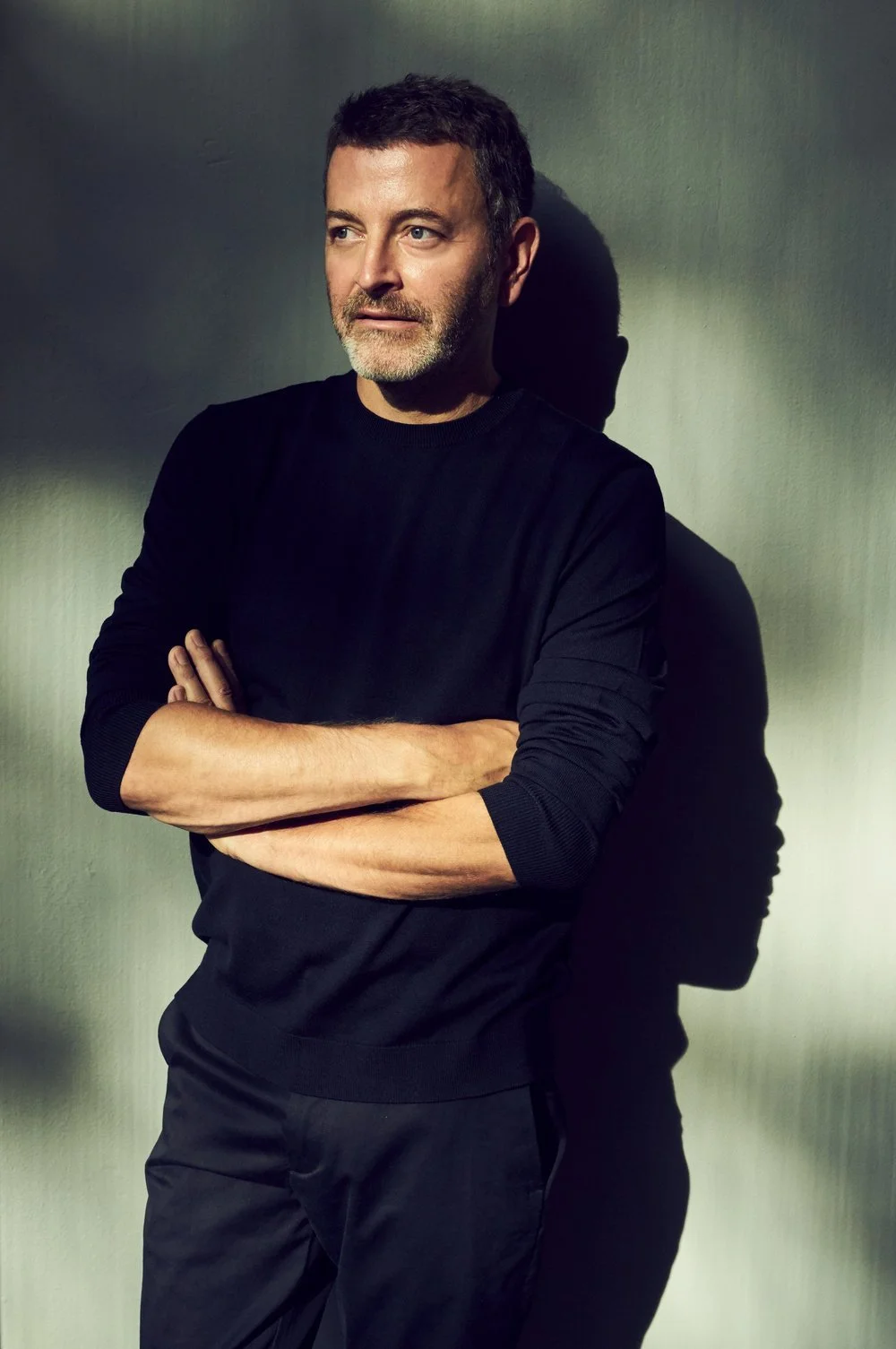
Haas has spent his career, across furniture, lighting, porcelain, glassware, working in the space between utility and quiet beauty. His practice, established in 2000 and now run from Porto. What connects the work is not a signature style but a consistent sensibility: the conviction that good design should not announce itself.
Vio is that conviction made into a chair.
On Material and Longevity
Both pieces are available in a full range of wood finishes, oak, walnut, and beyond, and in upholstered and non-upholstered versions across a broad selection of fabrics and leathers. They are designed to pair with any dining table, but the truth is they are designed to last past the table they first sit beside, past the room, past the particular moment they were bought for.
That is, in the end, what convívio requires: objects patient enough to outlive the occasion.