
Opera: A Chaise Longue in Three Acts
Act I: The Silhouette
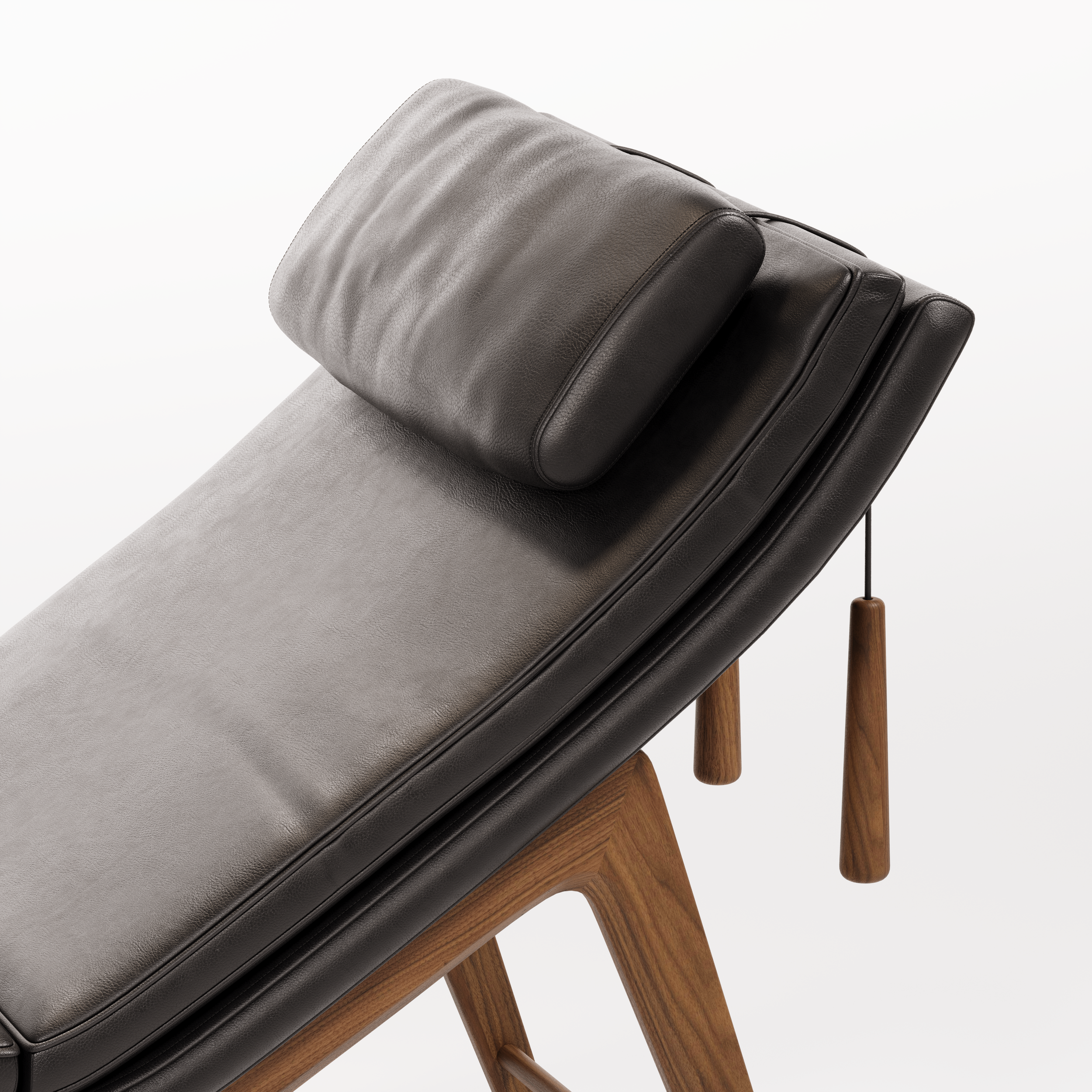
Opera, the newest piece from our 2026 collection, arrives with that authority fully intact, and then adds something rarer still: a point of view.
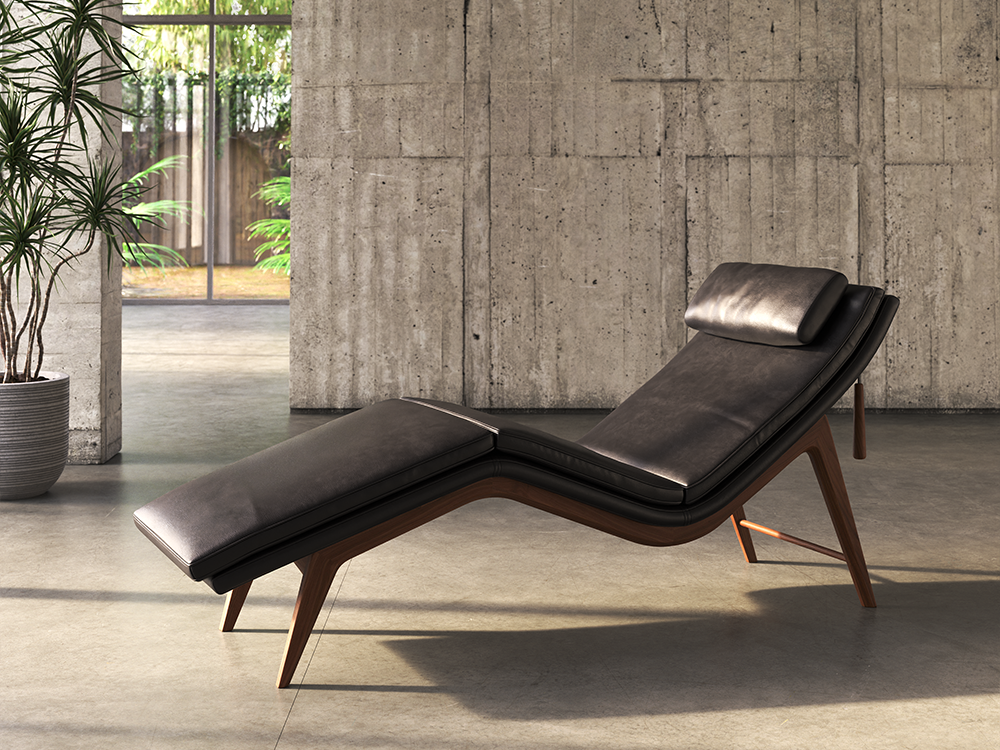
The name is not merely evocative. It is a declaration of intent. In the language of the performing arts, opera is the form that holds everything at once: music, architecture, theatre, costume, and light. Fabricio Ronca, the Brazilian architect and designer behind the piece, understood that furniture can operate along the same logic. A single object, properly conceived, can carry the weight of an entire aesthetic world.
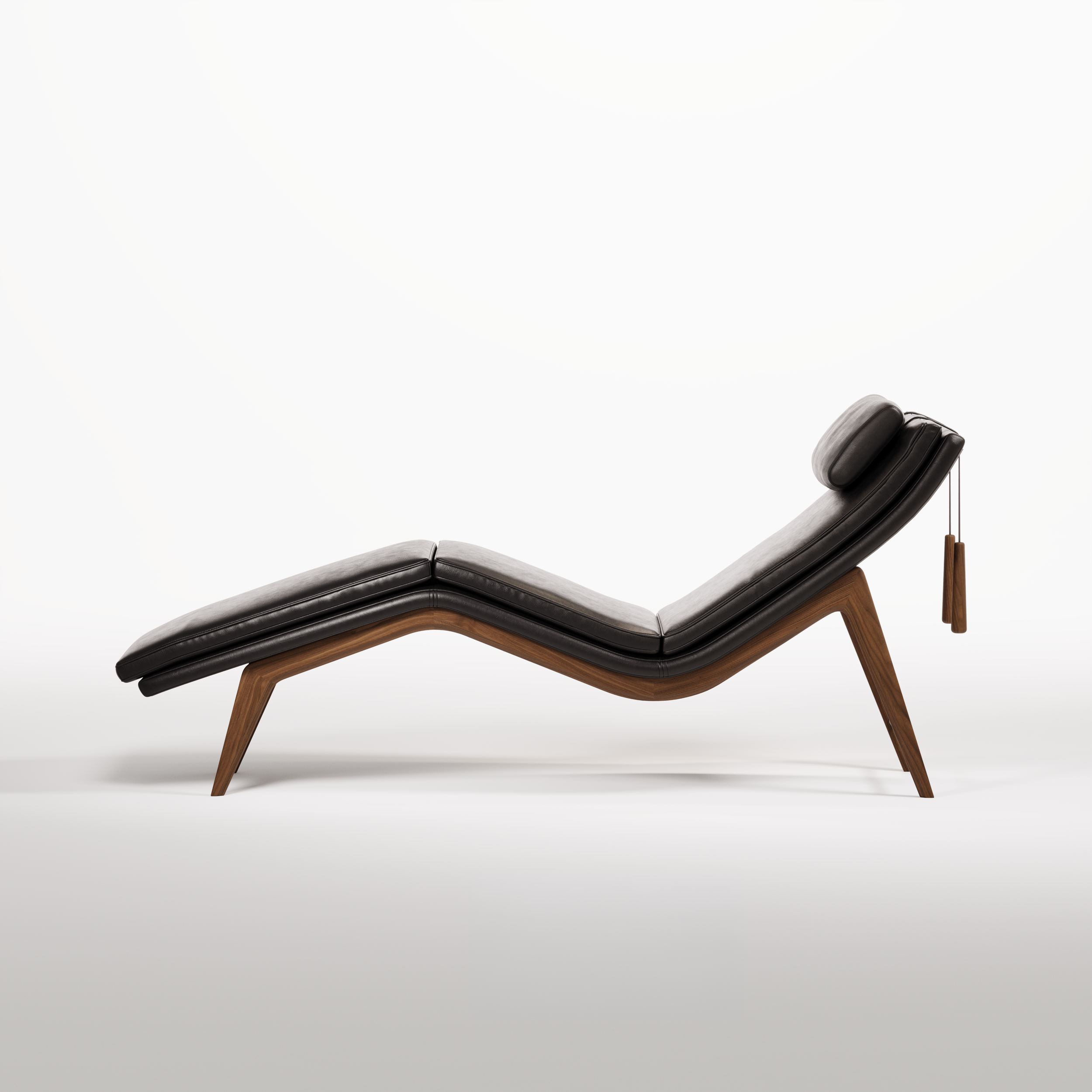
The silhouette speaks before anything else does. The curves of Opera are not only ergonomic, though they are precisely that, they are compositional. They move with the same care for proportion and rhythm that a score demands of its performers. The backrest rises and counterweights with quiet intelligence. The armrests guide without constraining. The form holds without enclosing.
Seen from across a room, Opera reads as architecture. Approached, it reads as craft. Seated, it reads as the only logical conclusion of both.
Act II: The Materials
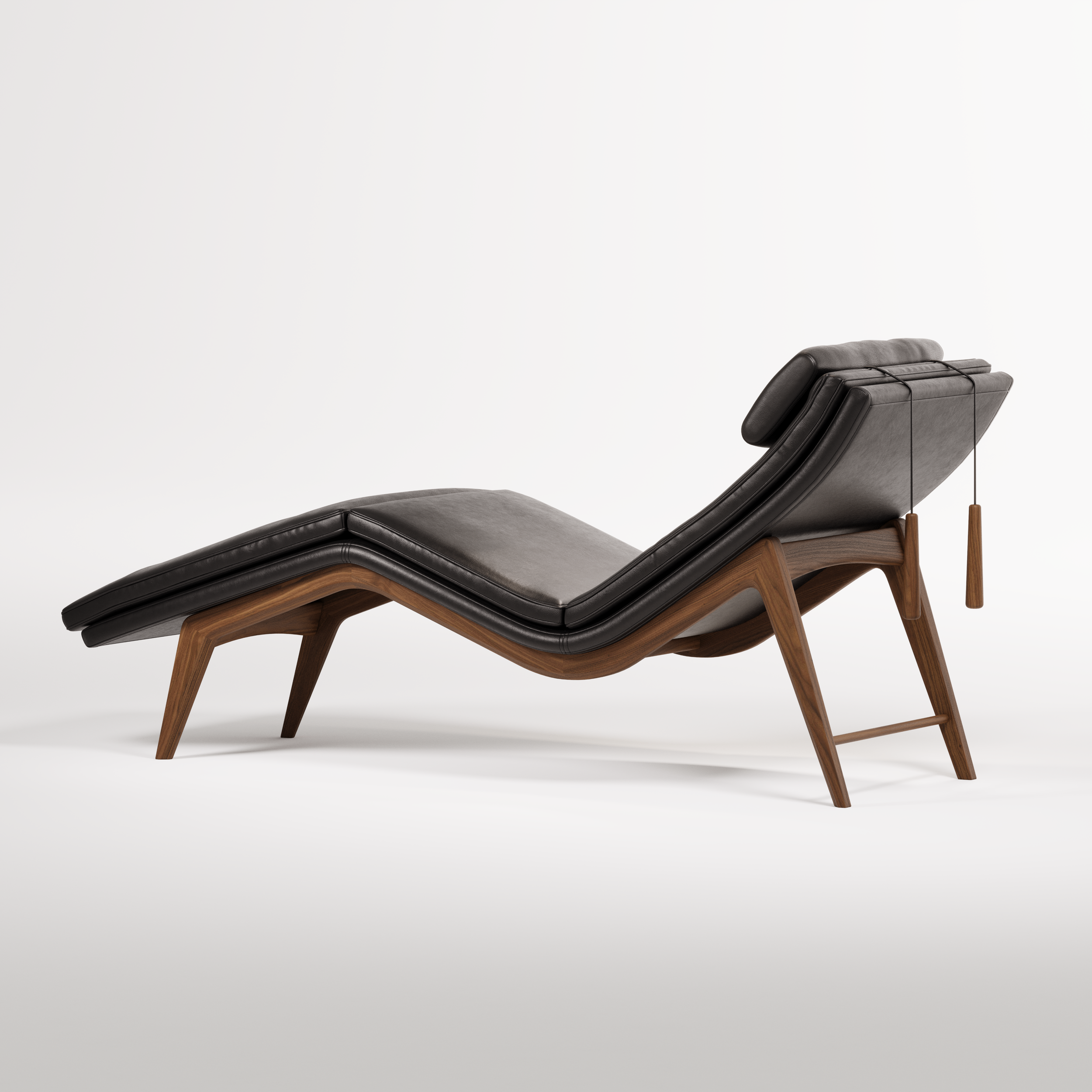
The material choices in Opera are those of a designer who trusts substance. Solid walnut for the structural elements, a wood that rewards time, that deepens rather than fades, that grows more present as the years accumulate. Black leather for the upholstery, a surface that carries connotations of the stage: the pit, the curtain, the costume, the studied darkness from which performance emerges.
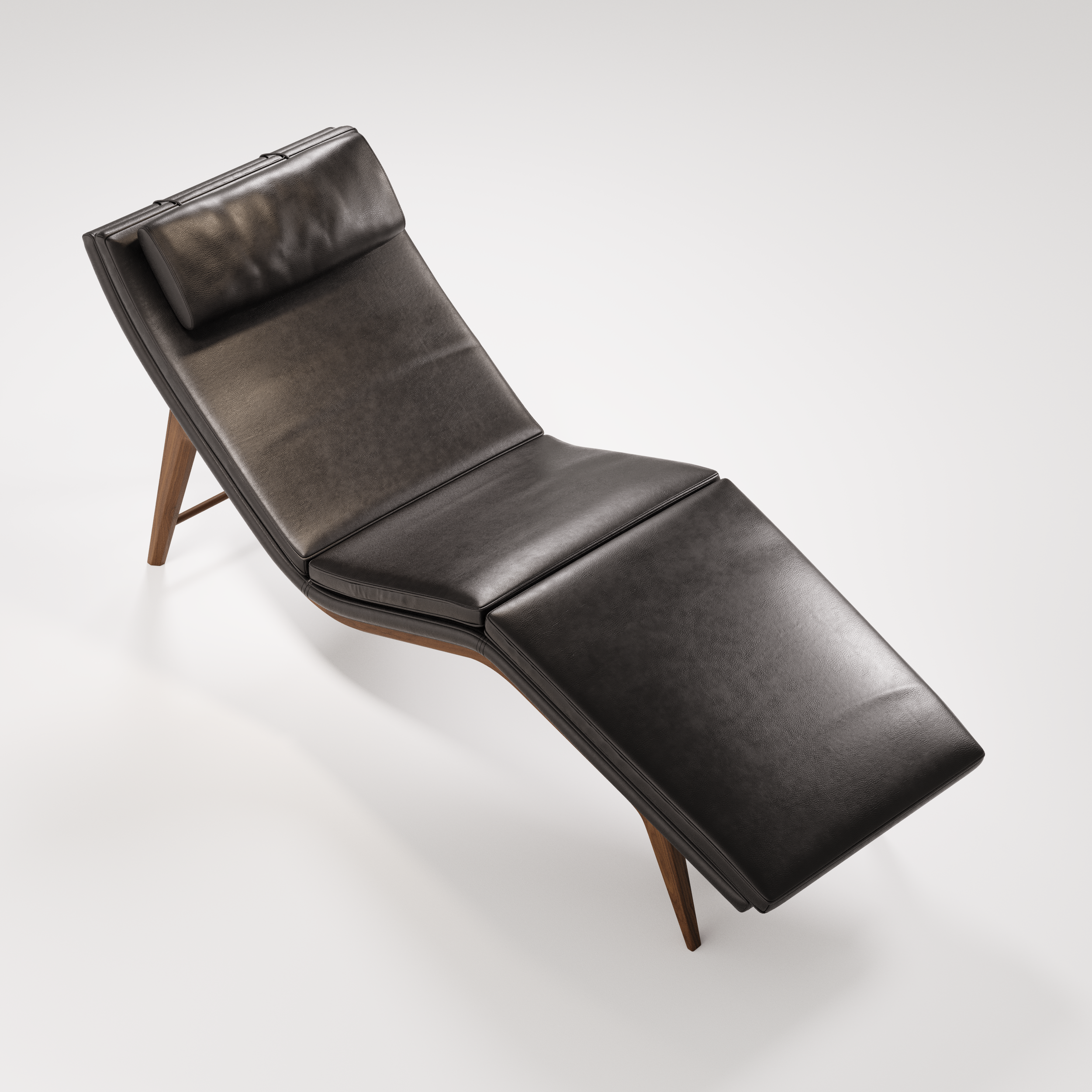
Together, these are not merely beautiful. They are deliberate. They reference the craft that sustains great performance, the set design, the carefully constructed props, the materials that make a world believable. In Opera, that world is the room it inhabits.
Our commitment to material authenticity runs through every piece the Portuguese workshop produces, and Opera is no exception. Built in the north of Portugal, from sustainably sourced solid wood and finished by hand, it carries the particular weight of things made to last.
The result is an object that exists outside of trend. Like the art form it invokes, Opera carries the conventions of tradition without being imprisoned by them, classic in its sensibility, contemporary in its construction, entirely at ease in both registers.
Act III: The Designer
Before he was a designer, Fabricio Ronca was a child who spent afternoons in the Faculty of Fine Arts in Belo Horizonte, accompanying his mother through rooms that smelled of oil paint and fresh plaster. Growing up in Minas Gerais, a state whose Portuguese colonial architecture and rich folk traditions form one of Brazil's deepest cultural layers, he learned early that beauty is never accidental, and that making things carefully is a form of attention to the world.
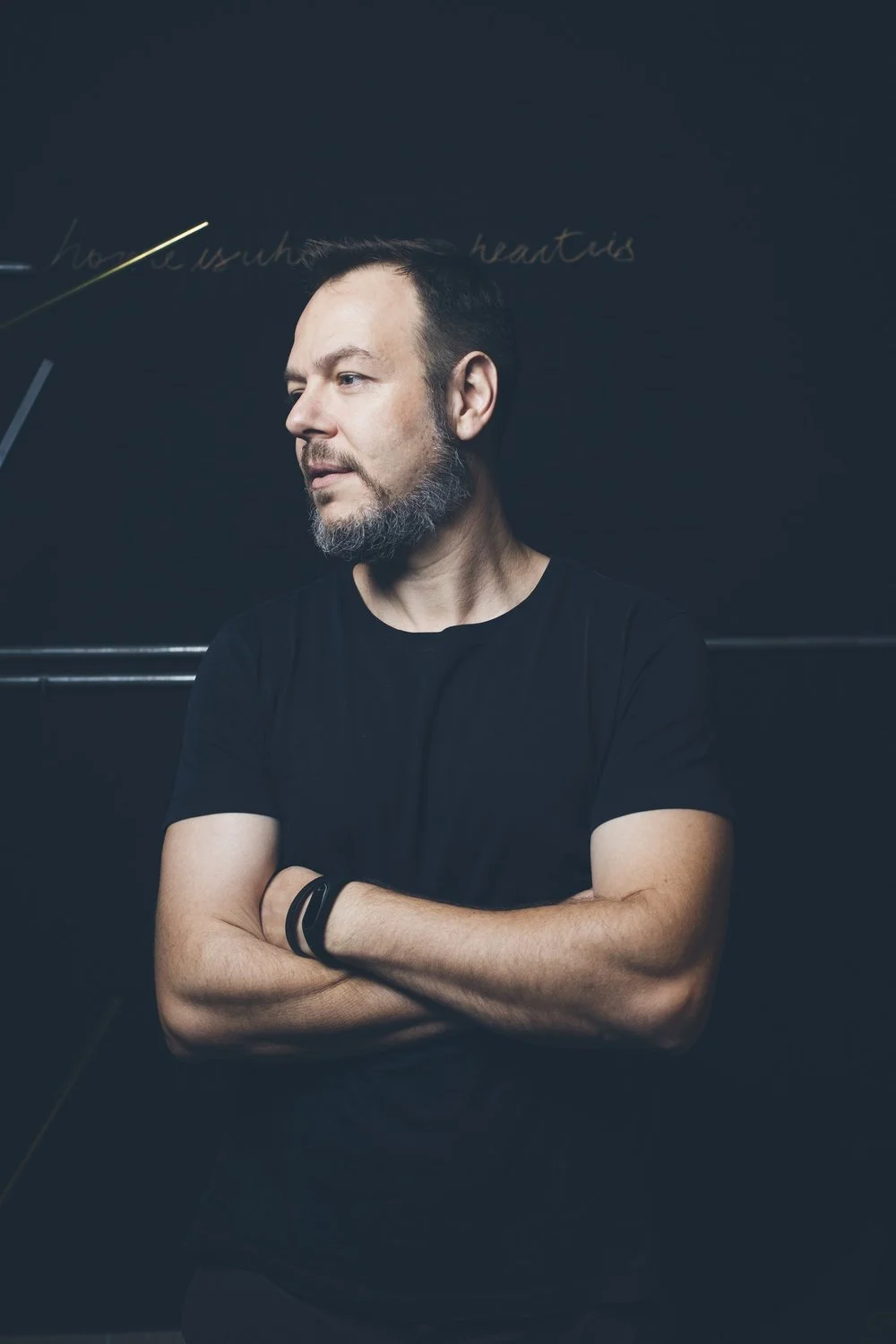
Trained as an architect and urban planner at the State University of Londrina, graduating in 2002, Ronca has spent more than two decades at the intersection of architecture, interiors, and furniture design. His practice is guided by a constellation of values that sound simple until you try to hold them simultaneously: beauty, sustainability, the balance of materials, and what he calls affective memory , the idea that objects should carry something of the emotional history of the people and places that made them.
Opera is his third collaboration with us, following the Botero lounge chair and the Degas chair, each of them named for an artist, each of them shaped by the conviction that design and the arts are not parallel disciplines but a single conversation conducted across different media.
With Opera, that conversation reaches a particular richness. Ronca has translated the grandeur and the discipline of the lyric stage into a form you can live with daily, proof that the most ambitious references need not produce the most inaccessible results.
Opera is a chair for spaces that value presence, for interiors where an object is allowed to be more than functional.