
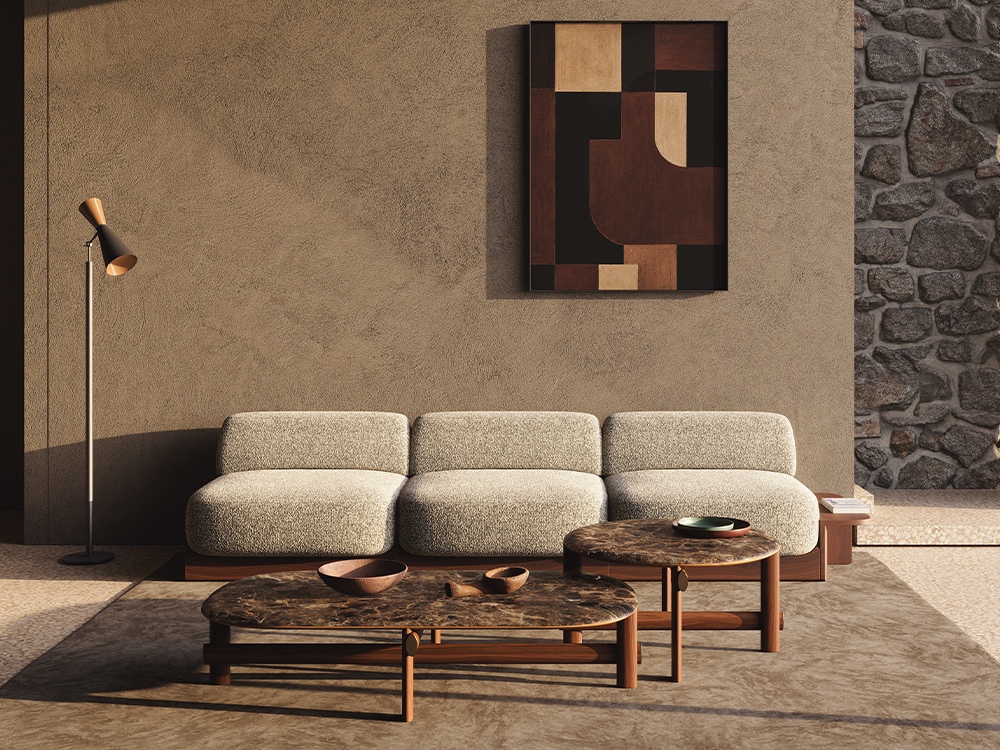
kaya COFFEE TABLE
ÜMİT ÇAĞLAR, 2026
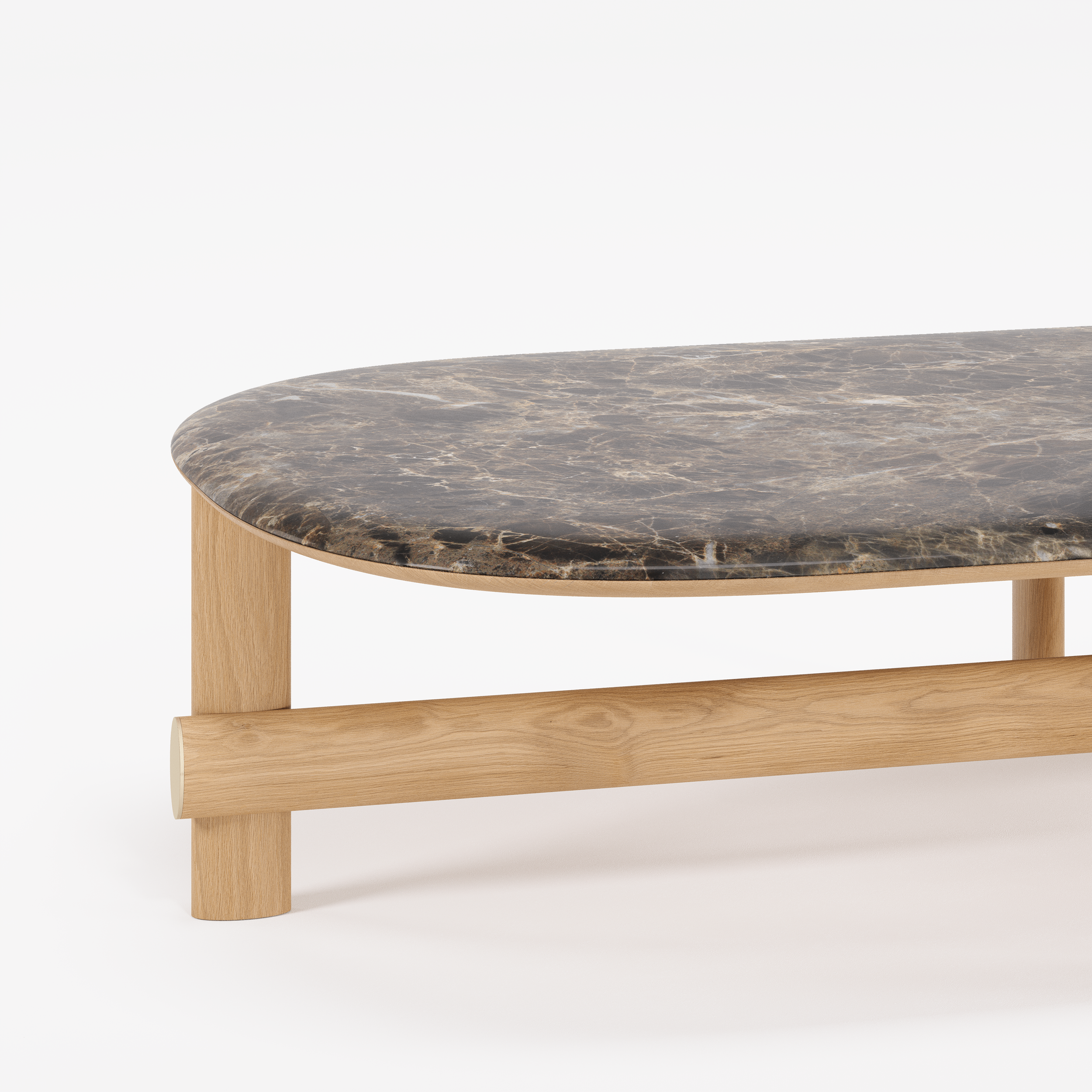
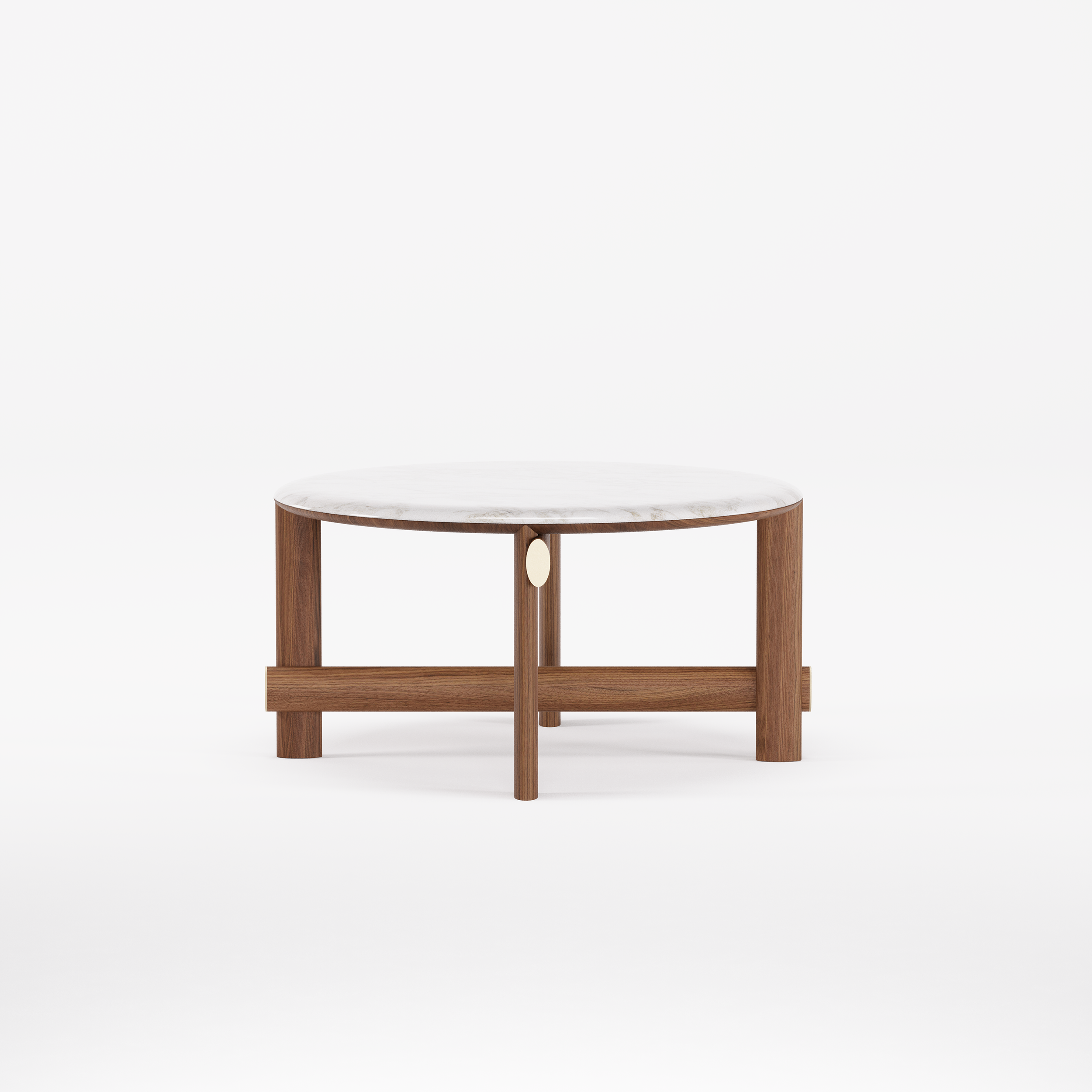
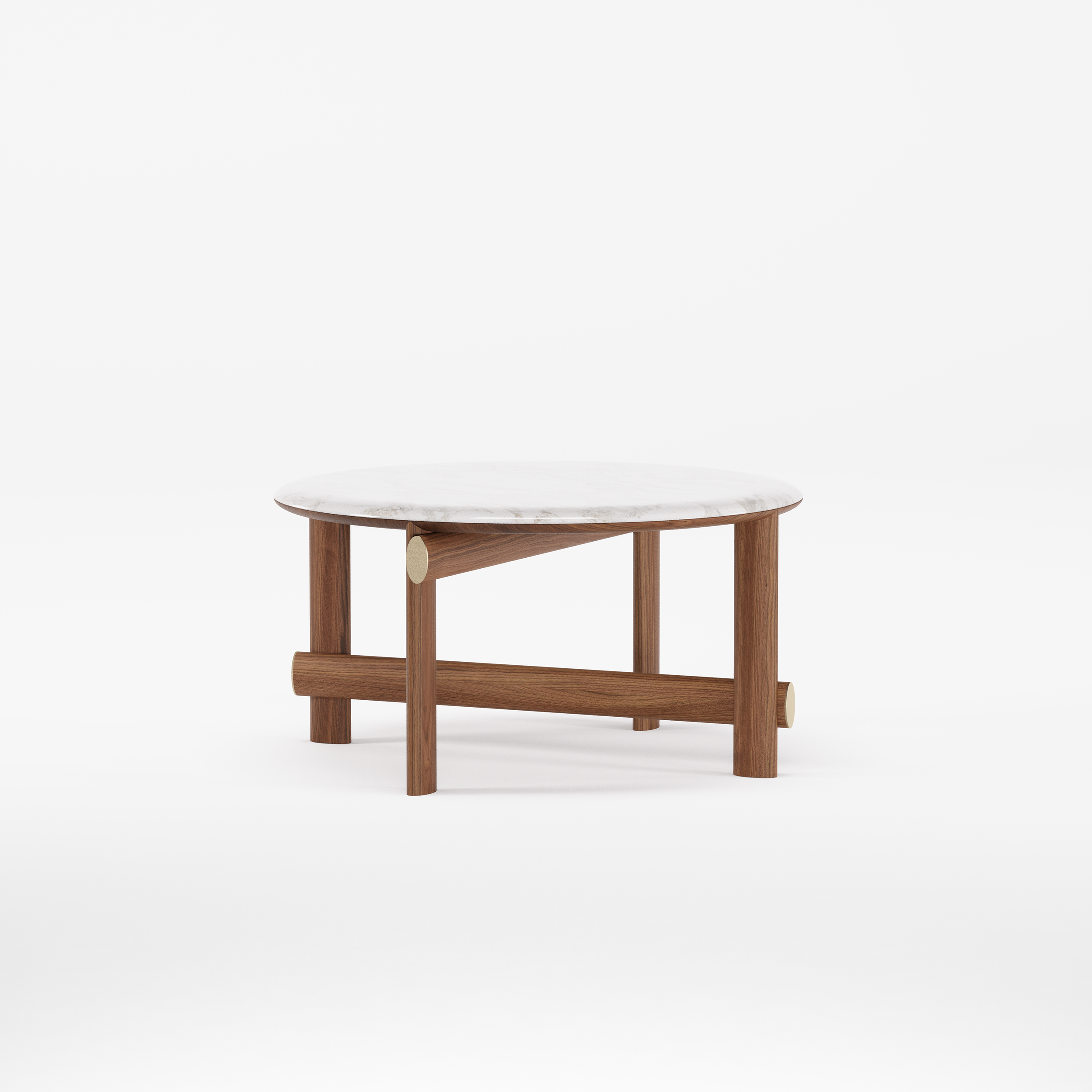
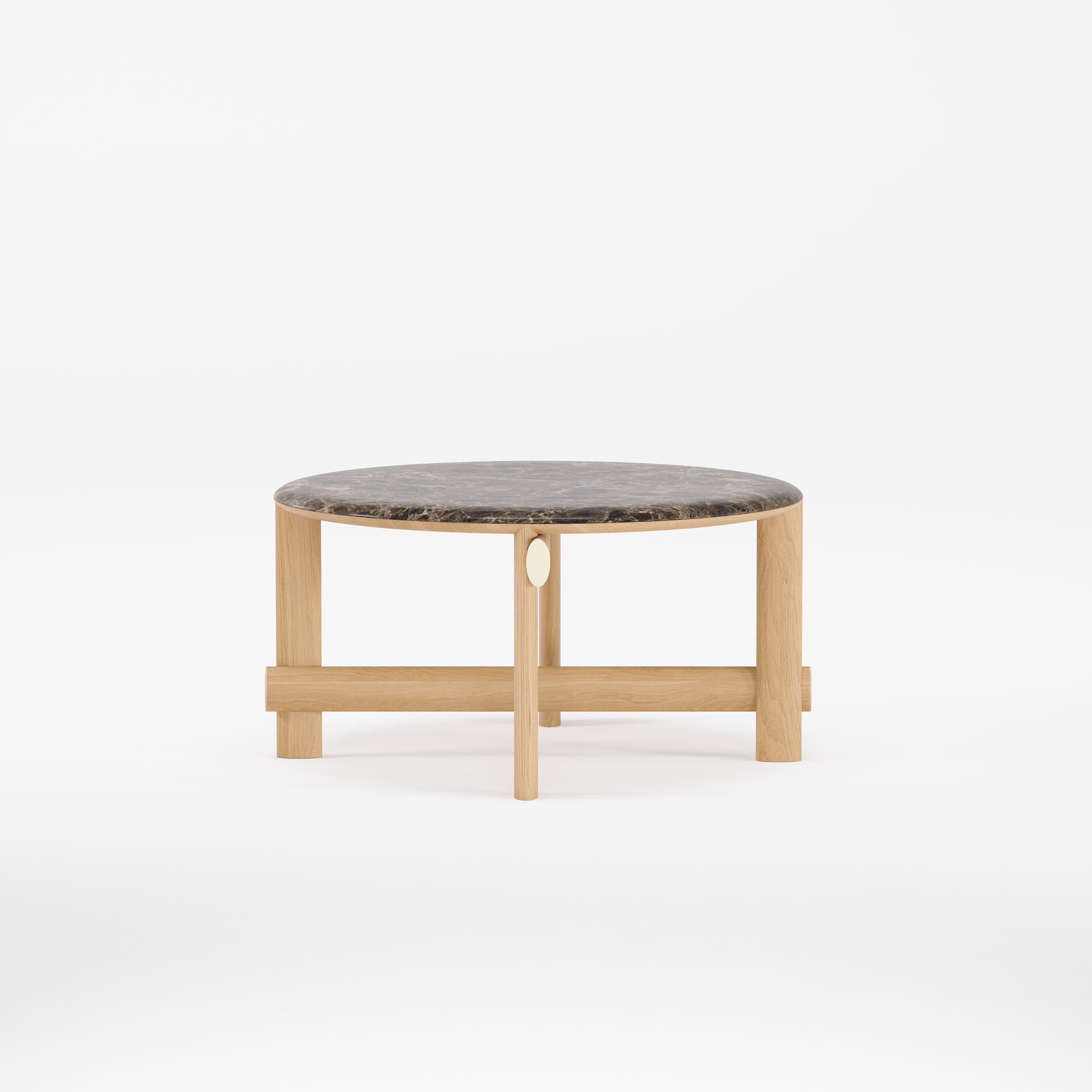
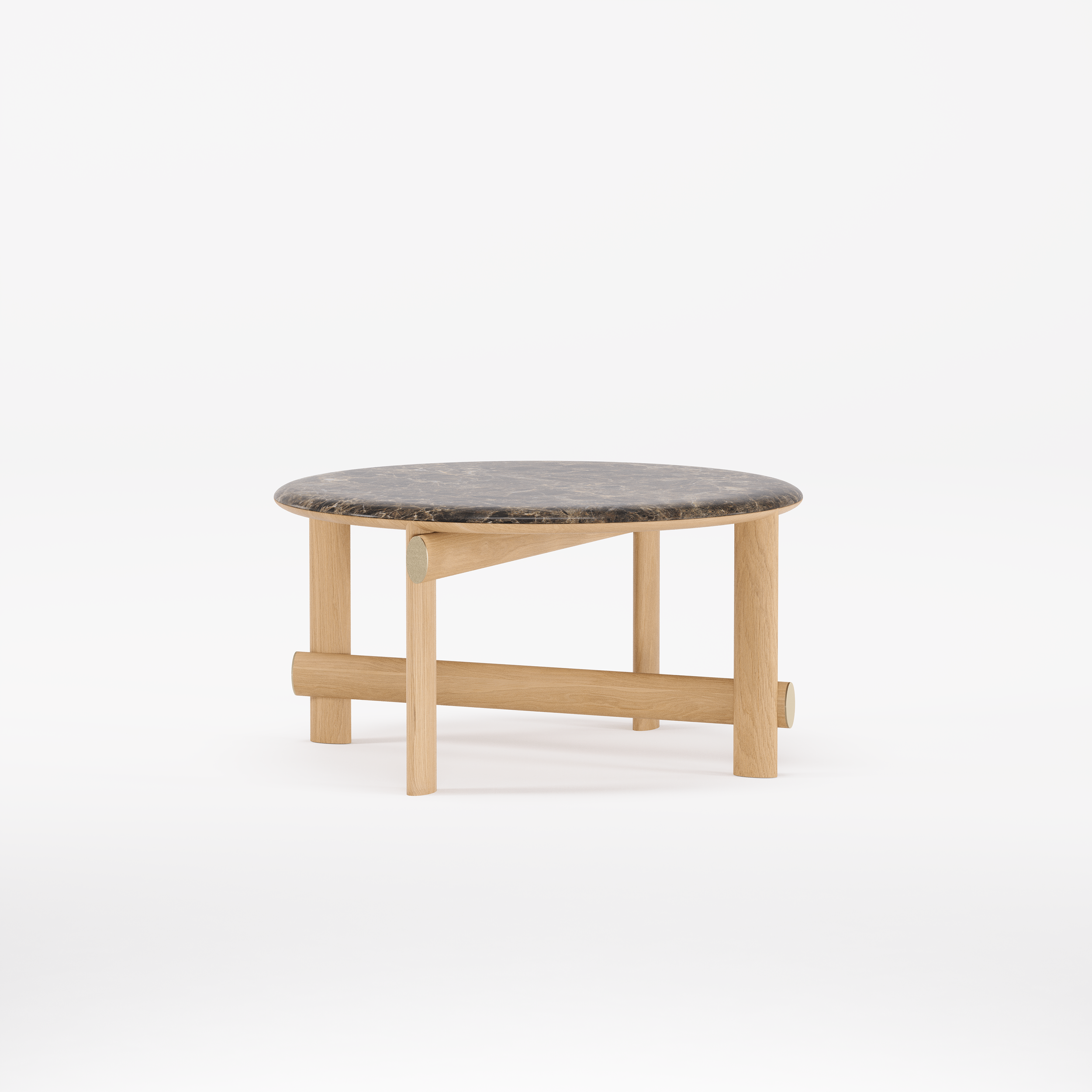
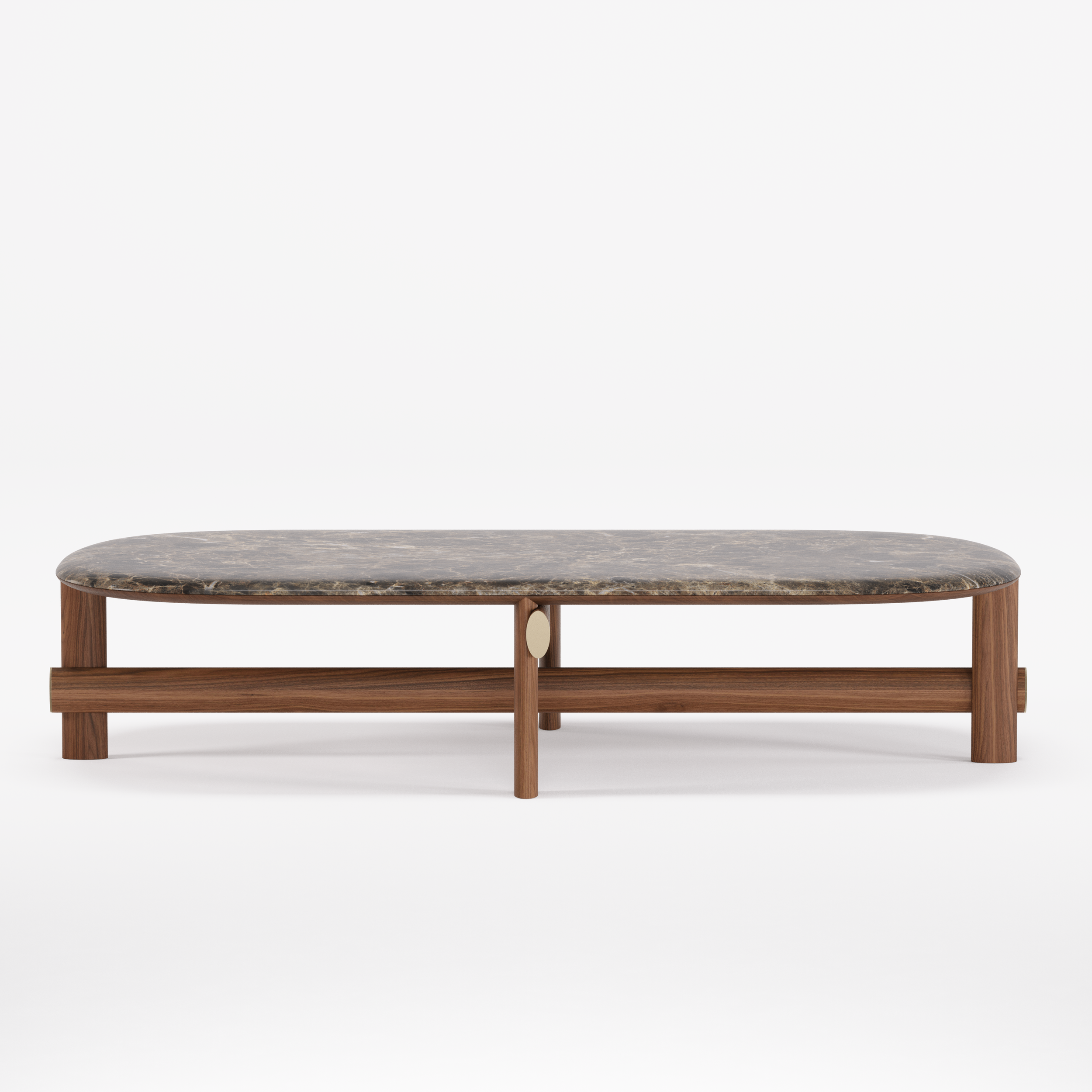
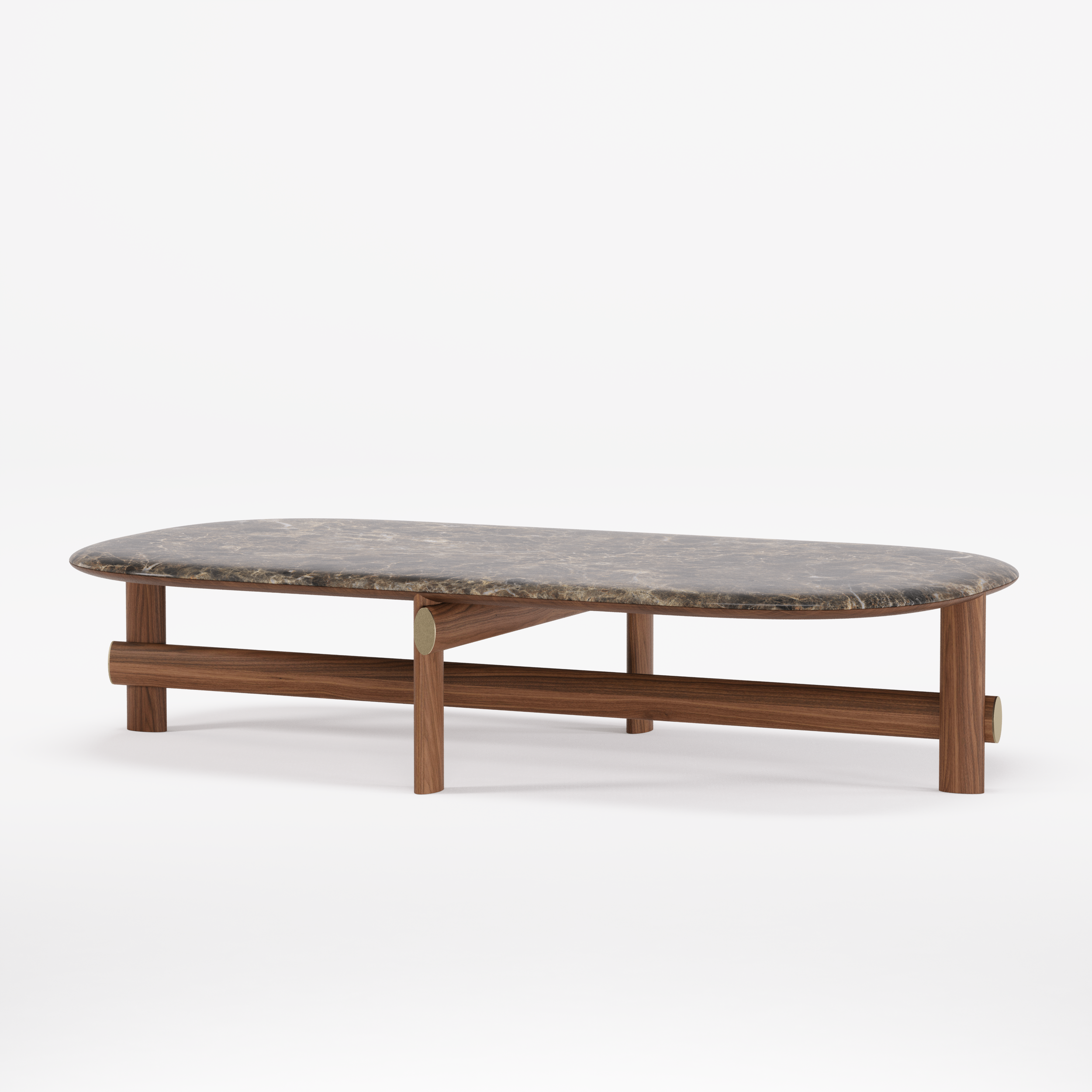
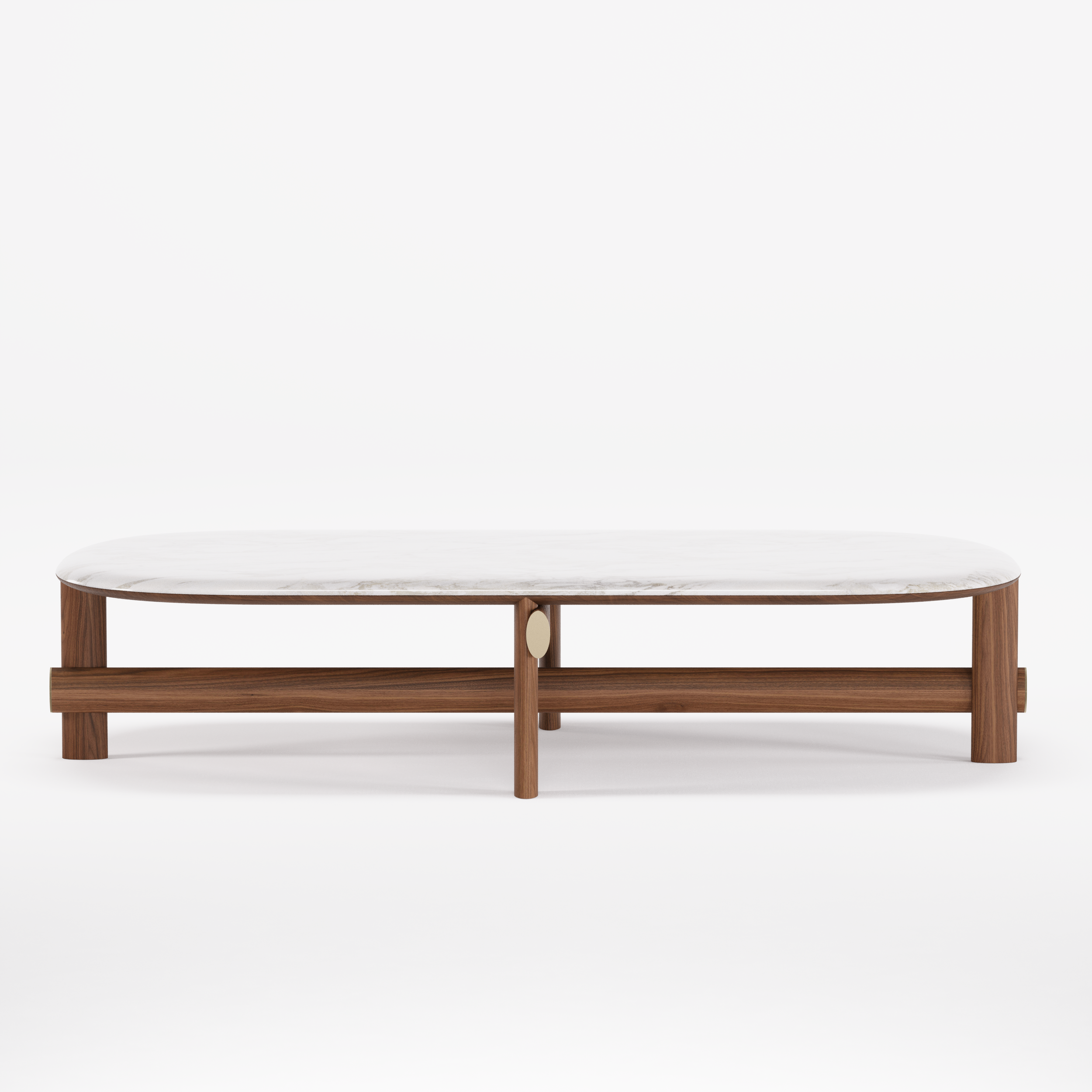
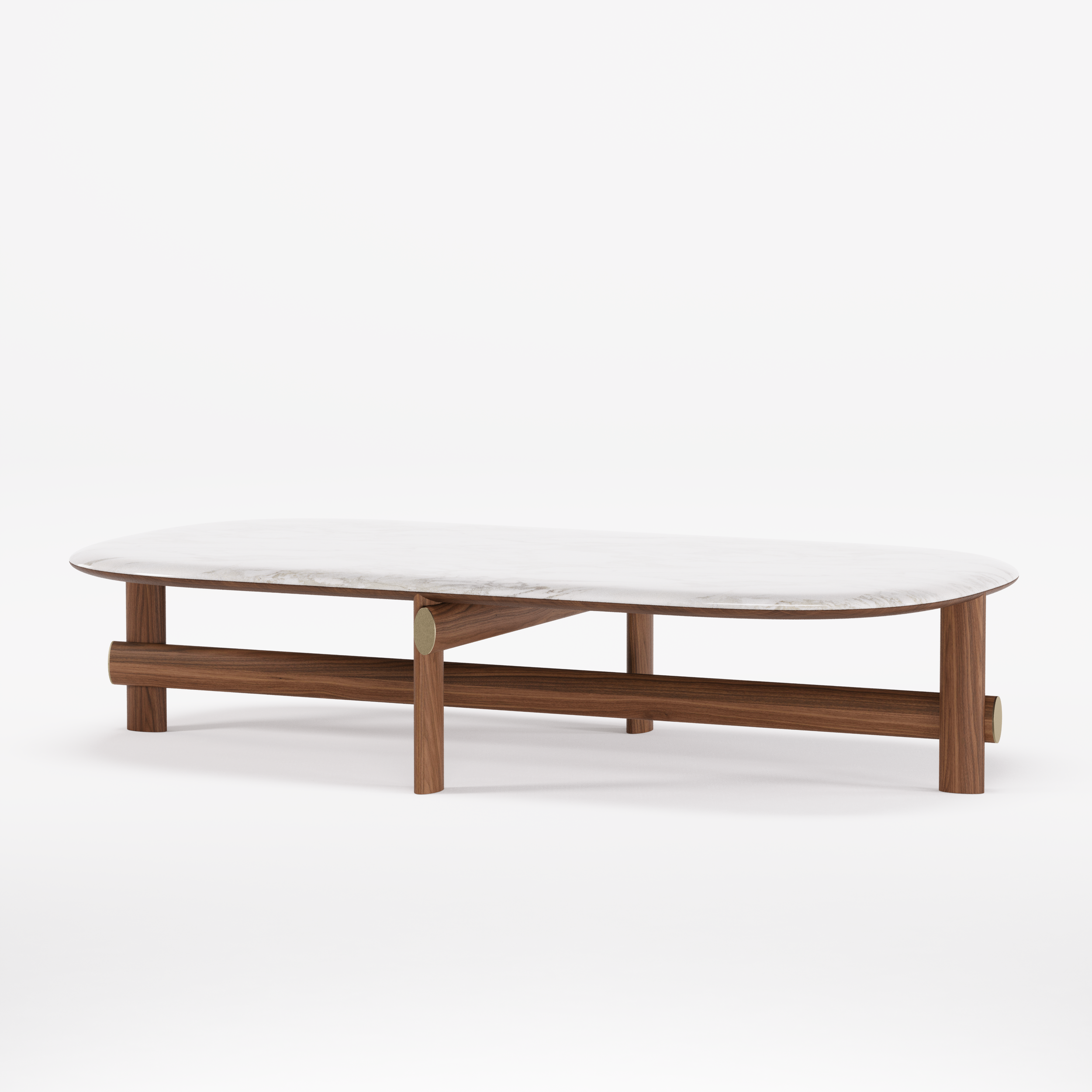
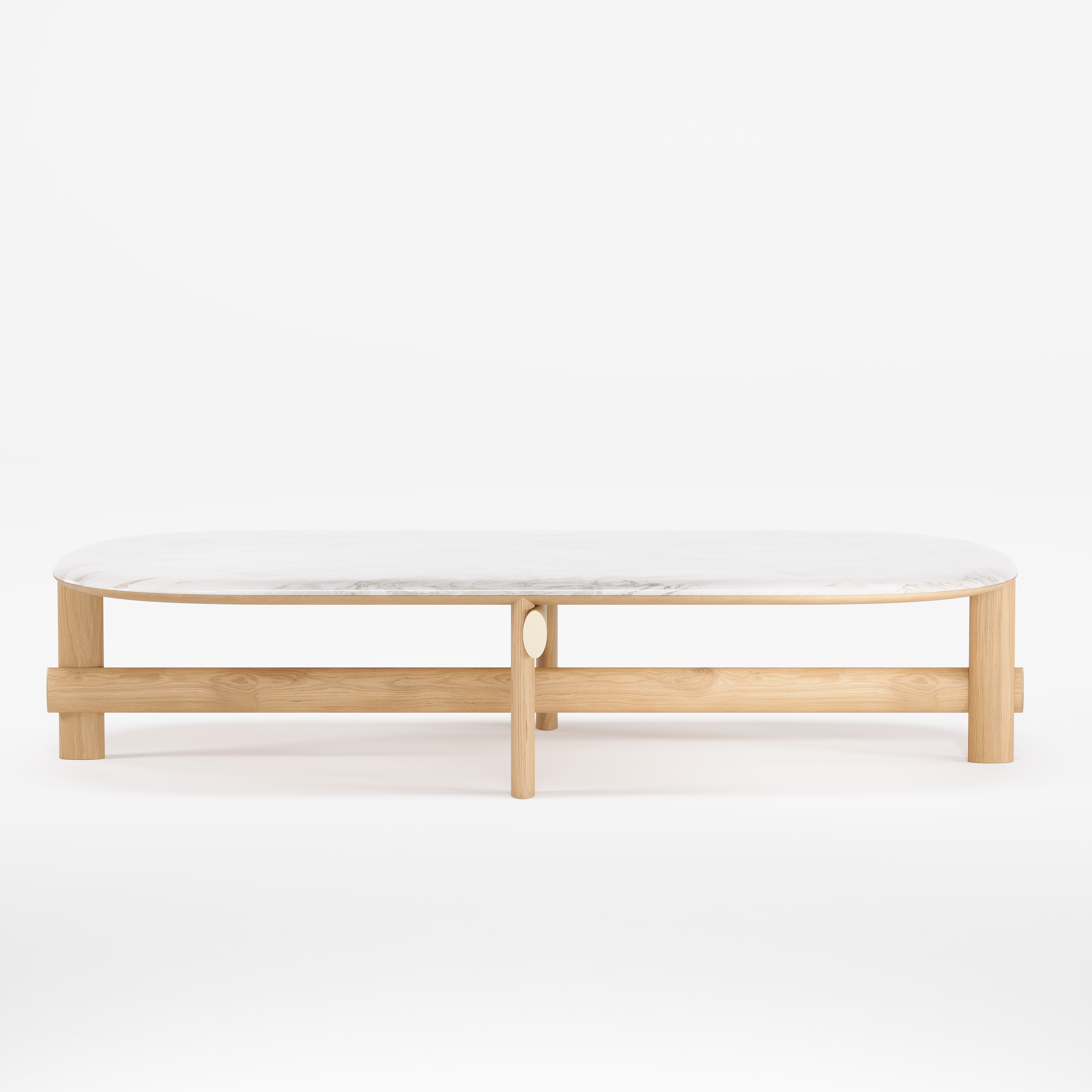
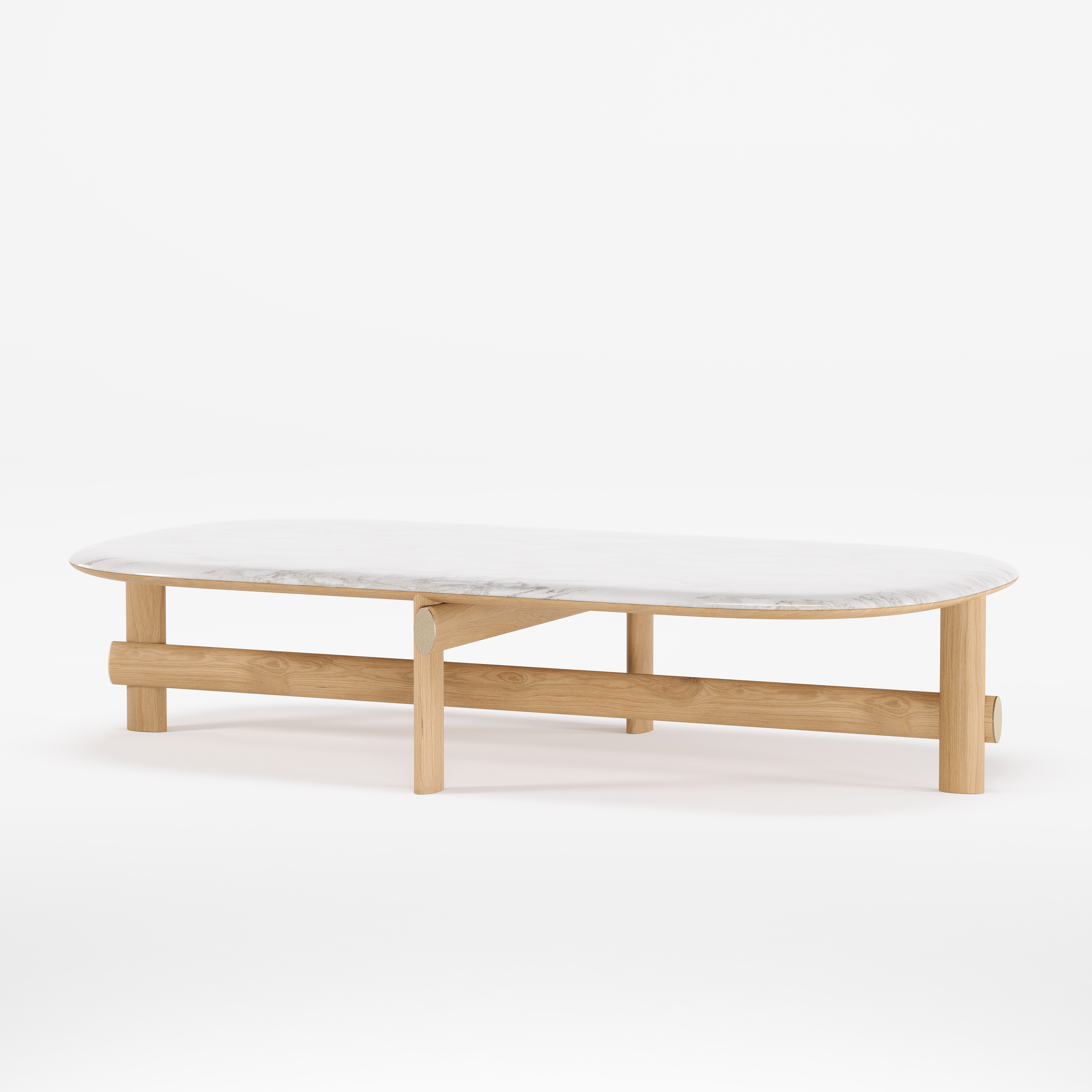
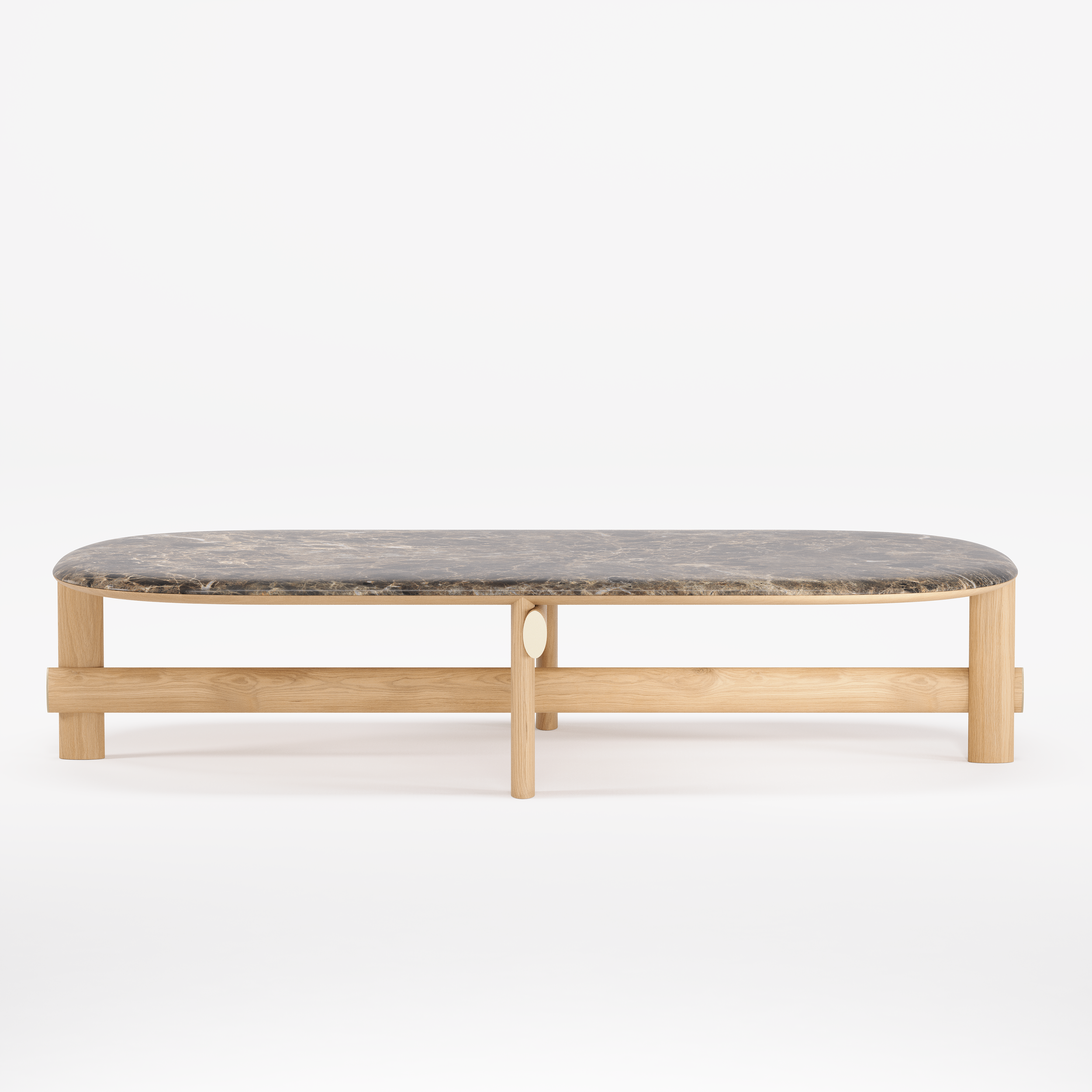
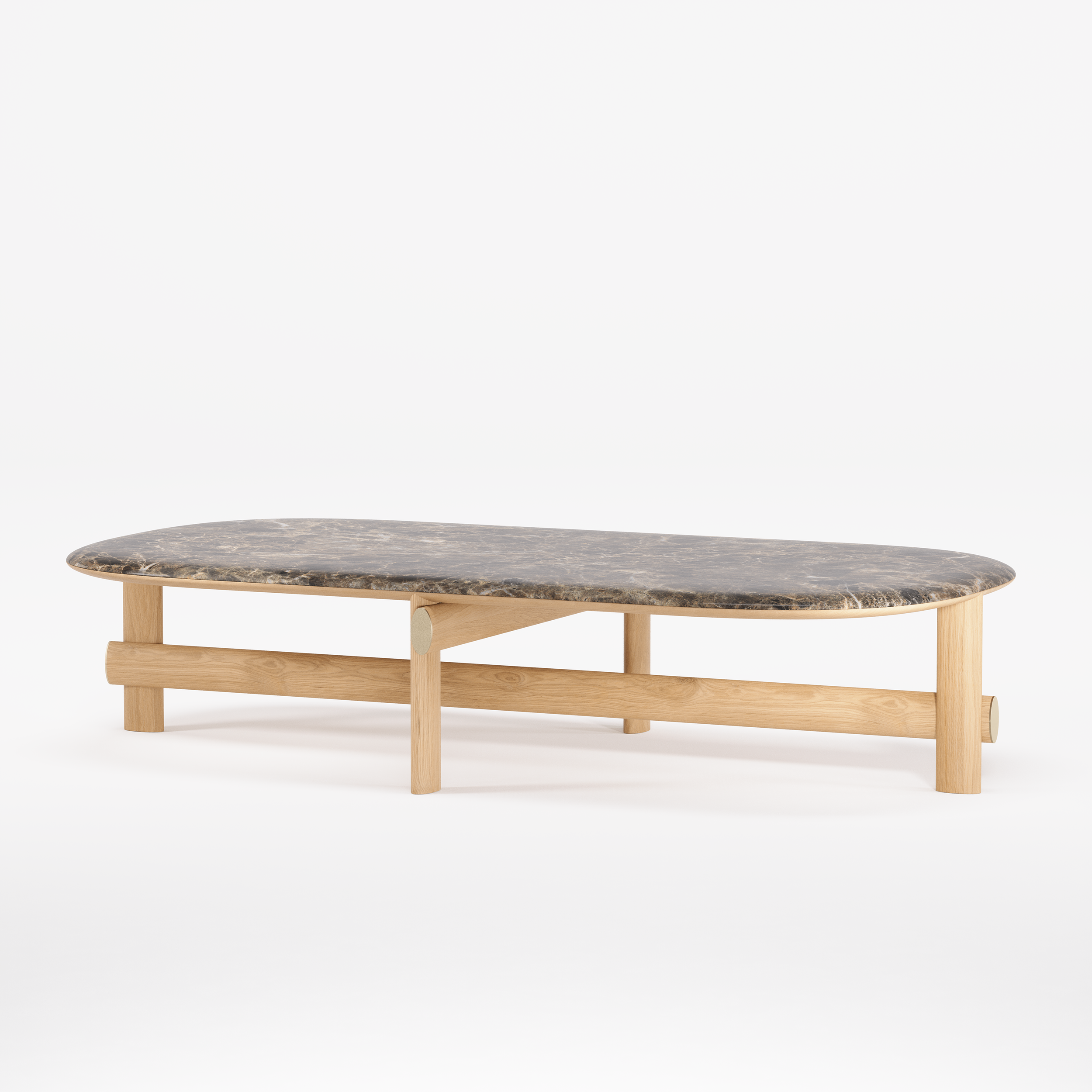
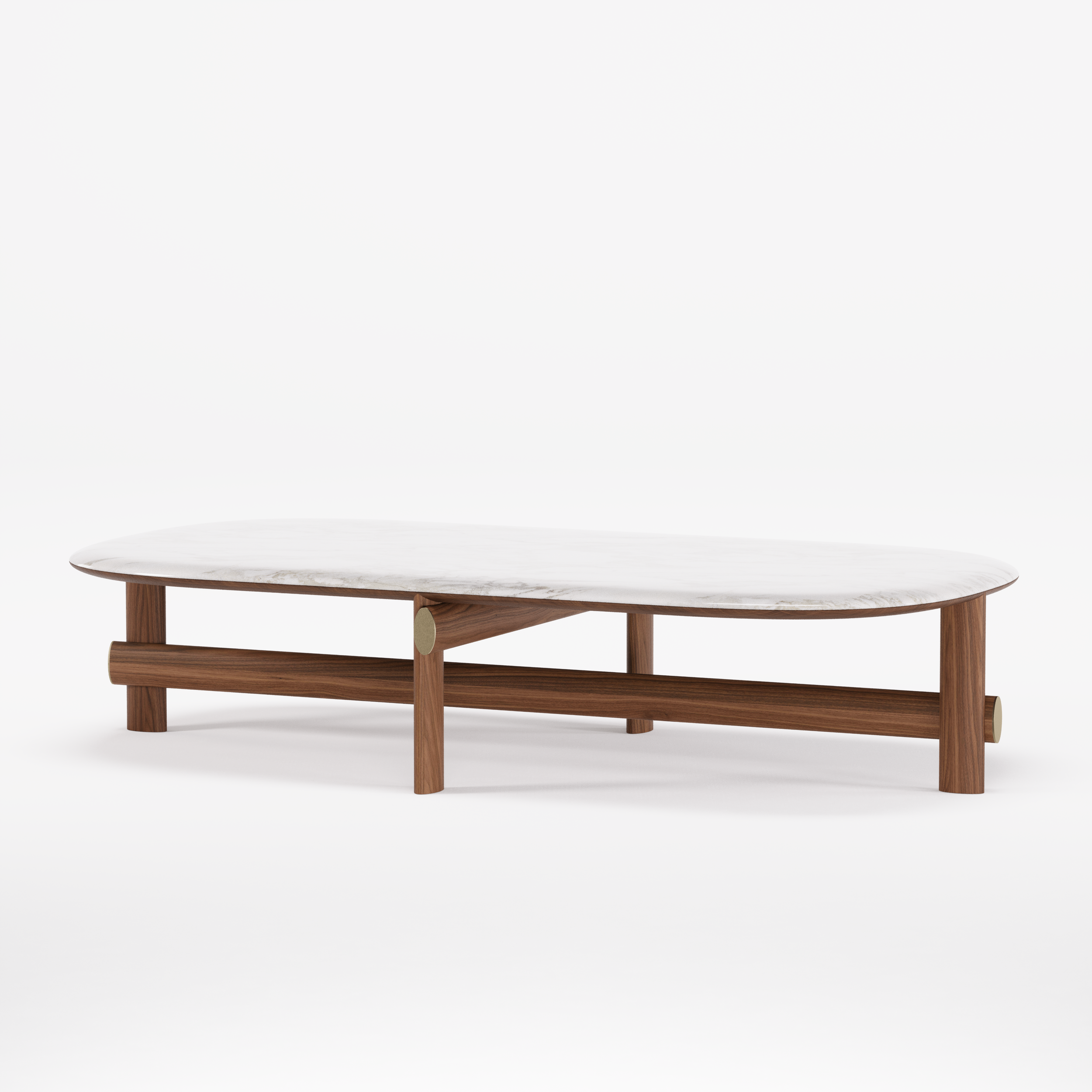
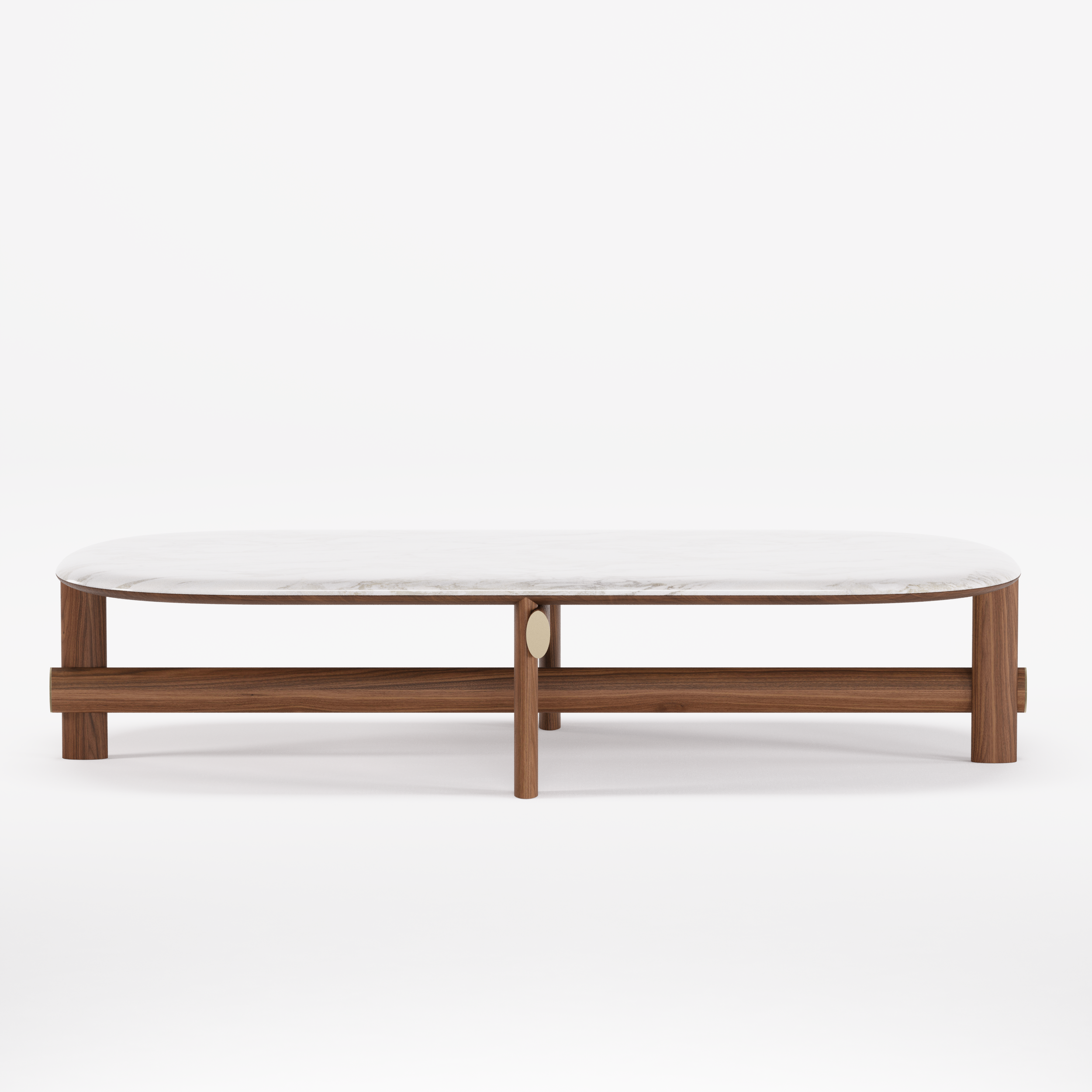
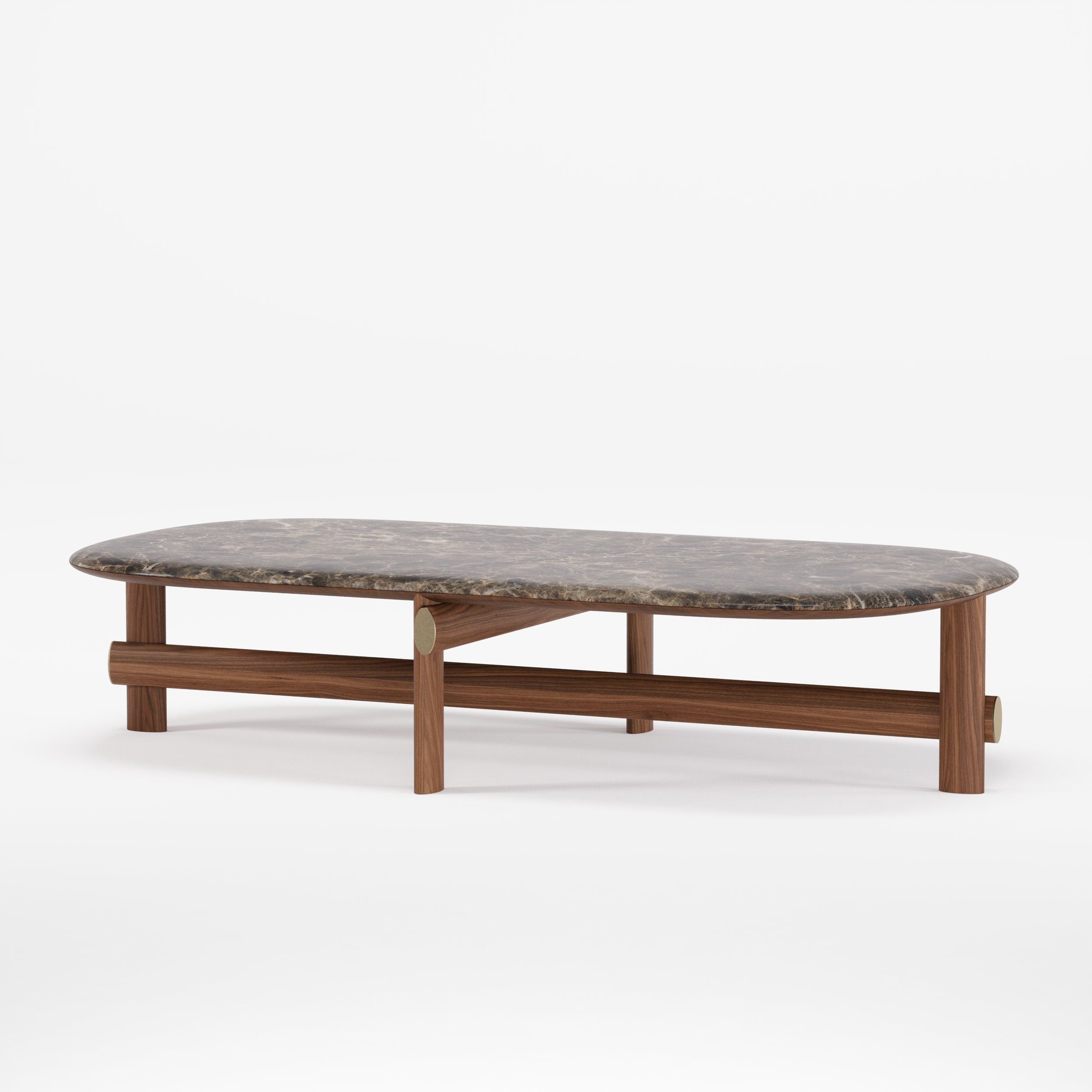
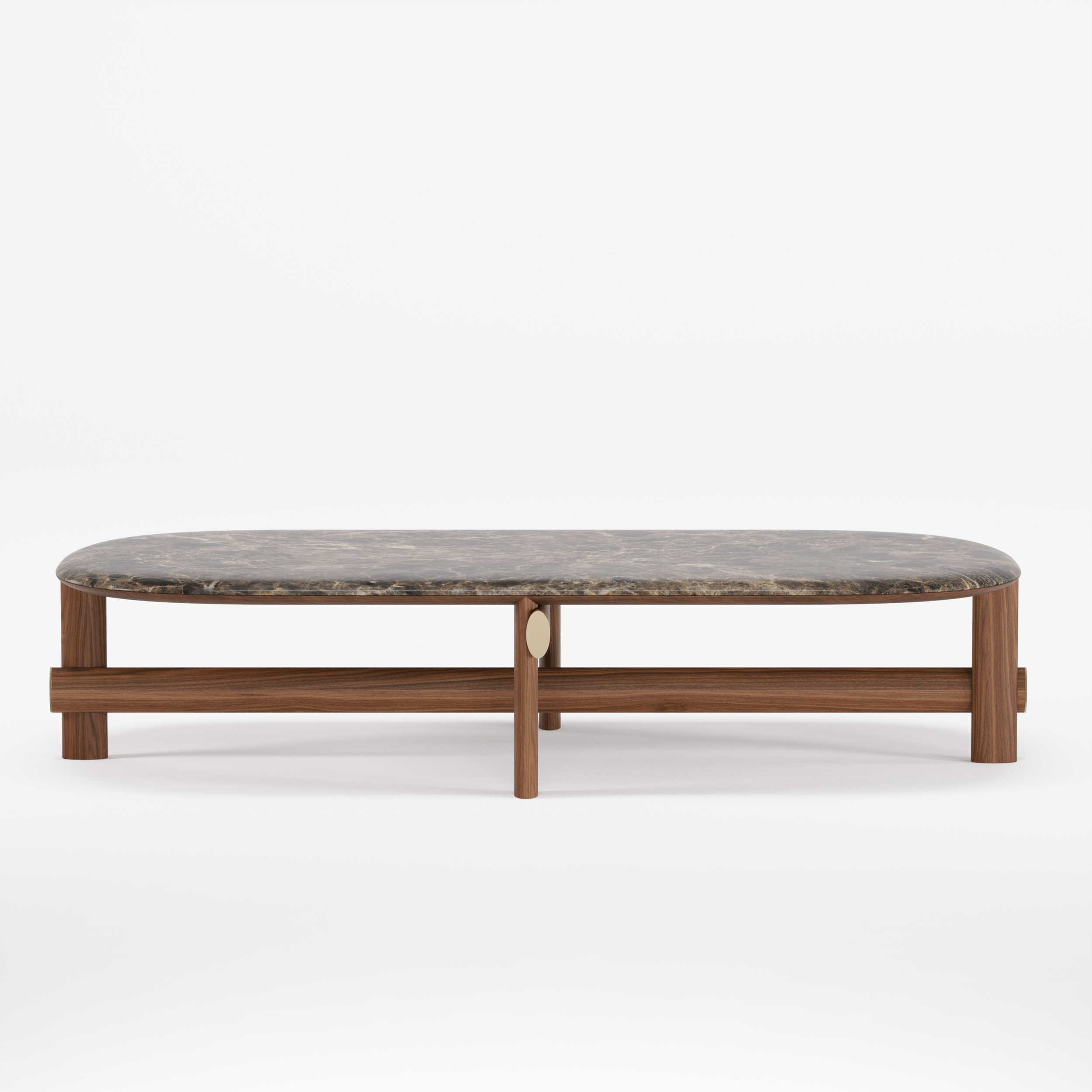
Kaya is a set of two coffee tables conceived as a quiet place, for objects, for rituals, for the unhurried time between things.
RRP PRICES EX. VAT FROM: 1980€
MATERIALS
TECHNICAL INFORMATION
DIMENSIONS:
OVAL: W 1448 H 320 D 788
ROUND: W 838 H 420 D 838
There is a philosophy embedded in the Japanese tea ceremony, Sadō, that has less to do with tea than with attention. The way an object is placed. The quality of a surface. The pause before speaking. Kaya was conceived within that spirit: a set of tables that do not ask to be noticed, but reward those who do.
The name carries its meaning with understated precision. In Japanese, kaya speaks of a restful place, of home, and also of a type of natural wood, one of the most elemental of materials. Both definitions are present in the object. It is at once a surface and a shelter, a practical piece and a considered one.
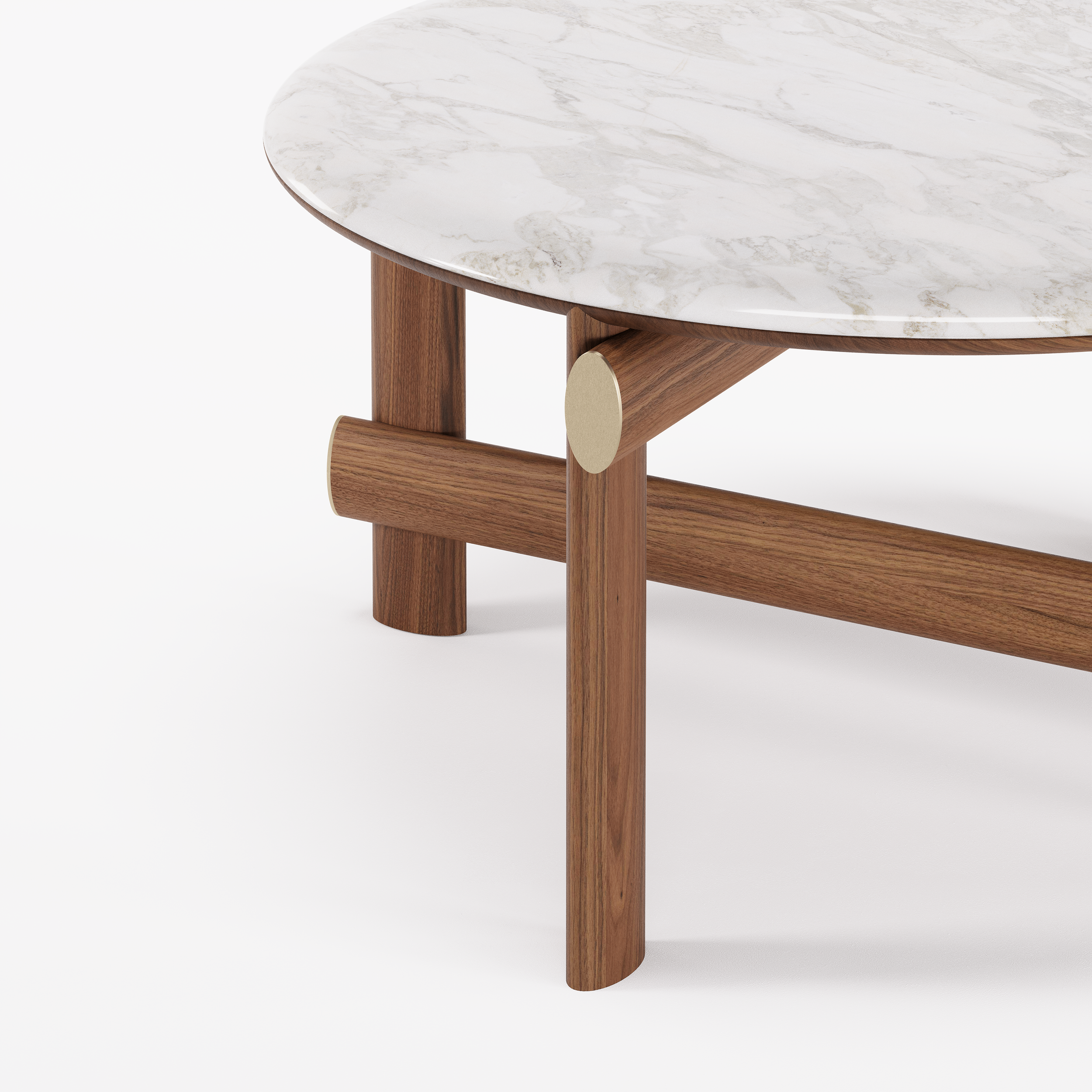
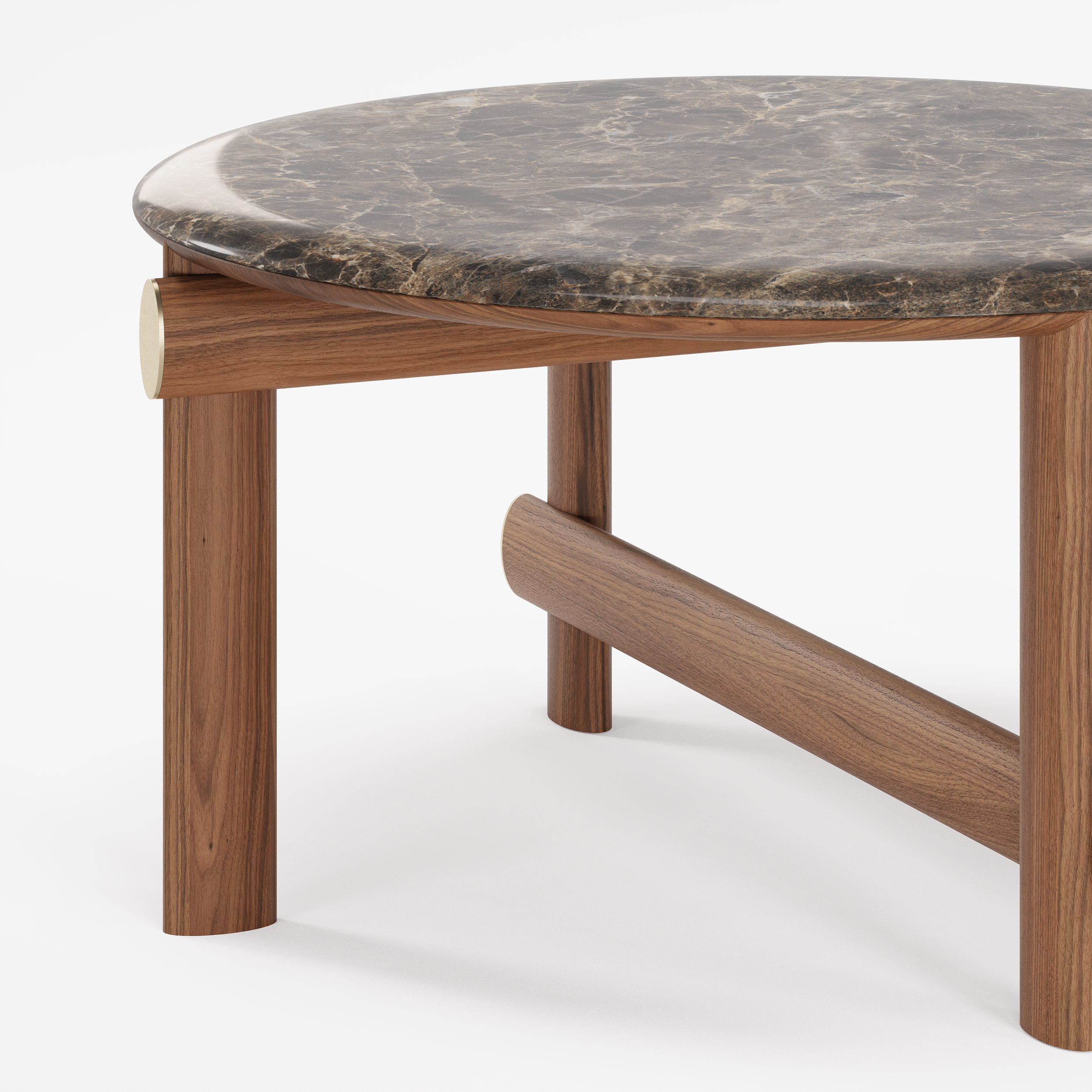
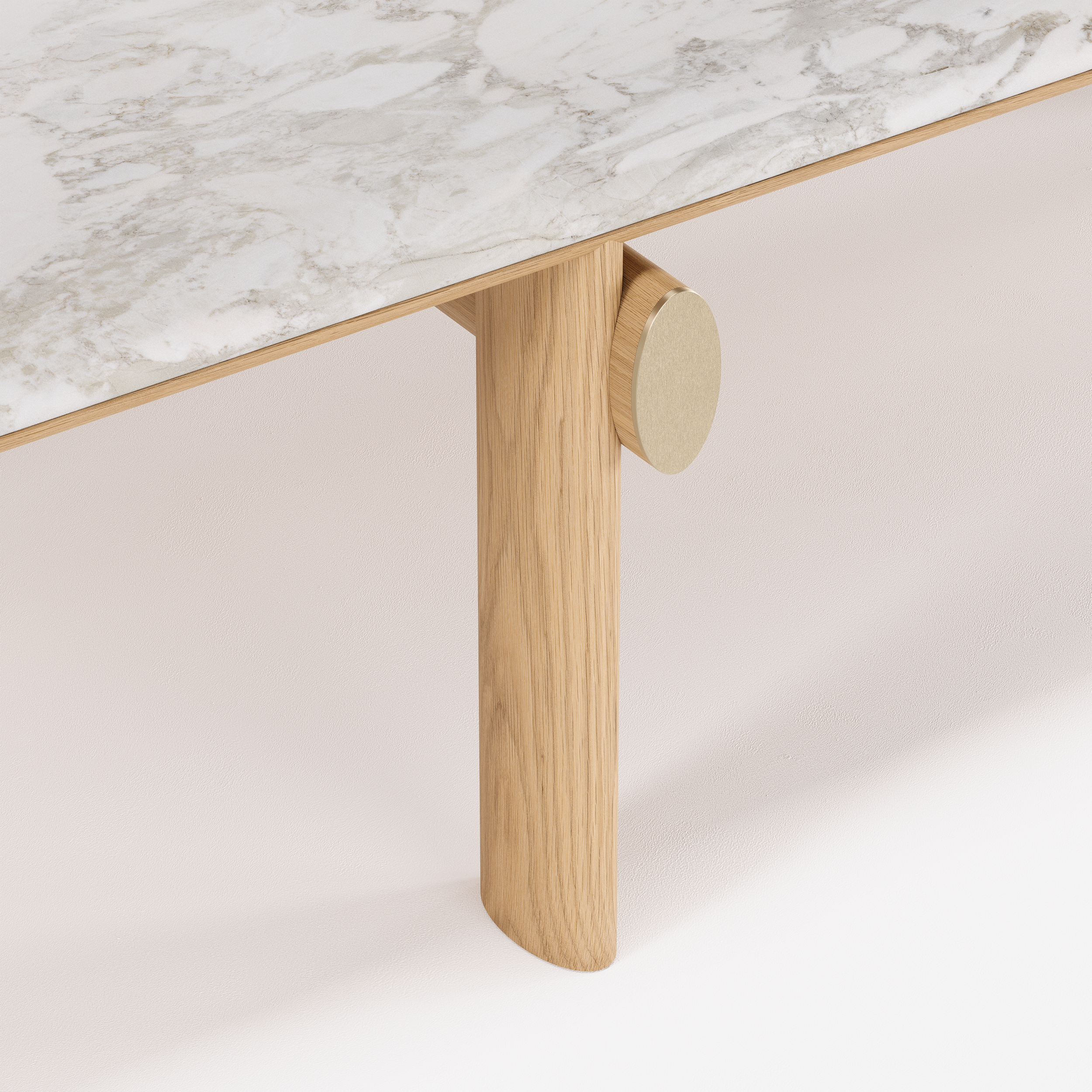
The construction is guided by traditional cabinetmaking. Structural joinery defines the whole, visible connections that provide strength while honouring the natural grain of the wood (oak or walnut). The design acknowledges what lies between shapes, between lines, as much as the shapes and lines themselves.
The combination of wood and marble, brought together with a refined brass detail, speaks a quiet material language. Each element earns its place: the warmth of wood, the cool weight of marble, the precise glint of brass, materials that age differently and well, developing character through use and time.
Used alone or combined, the two tables adapt to different spatial rhythms and interior sensibilities, available in two sizes (round and oval), always maintaining the same fidelity to proportion and material integrity. Whether at the centre of a living room or drawn to the side of a seat, they settle naturally, as though they had always been there.
In every detail, Kaya is a meditation on what a surface can hold objects and intention.
DESIGNER: ÜMİT ÇAĞLAR
Ümit Çağlar is a furniture and product designer working with a strong focus on materials, craftsmanship and form. His work explores the relationship between objects and space, aiming for clarity, tactile quality and long-lasting relevance. His design language is refined and material-driven, shaped by organic forms and natural materials.
Raised in a family of carpenters, Ümit developed an early understanding of making and construction. This foundation continues to inform his work, combining traditional craftsmanship with contemporary production methods in close dialogue with manufacturers and artisans.

© Sebastian Donath
PUBLICATIONS
ALL TABLES


