
Why Solid Wood Furniture Outlasts Everything Else
There is a straightforward test for any piece of furniture: imagine it in the same room twenty years from now. Will it still belong there? With solid wood furniture, the answer is almost always yes. With most alternatives, it is far less certain.
This is not nostalgia. It is physics, ecology, and an honest reckoning with how objects age. At Wewood, we have been making furniture from solid wood, and the evidence accumulates in every home our pieces eventually reach. Quality endures. Everything else is a temporary arrangement.
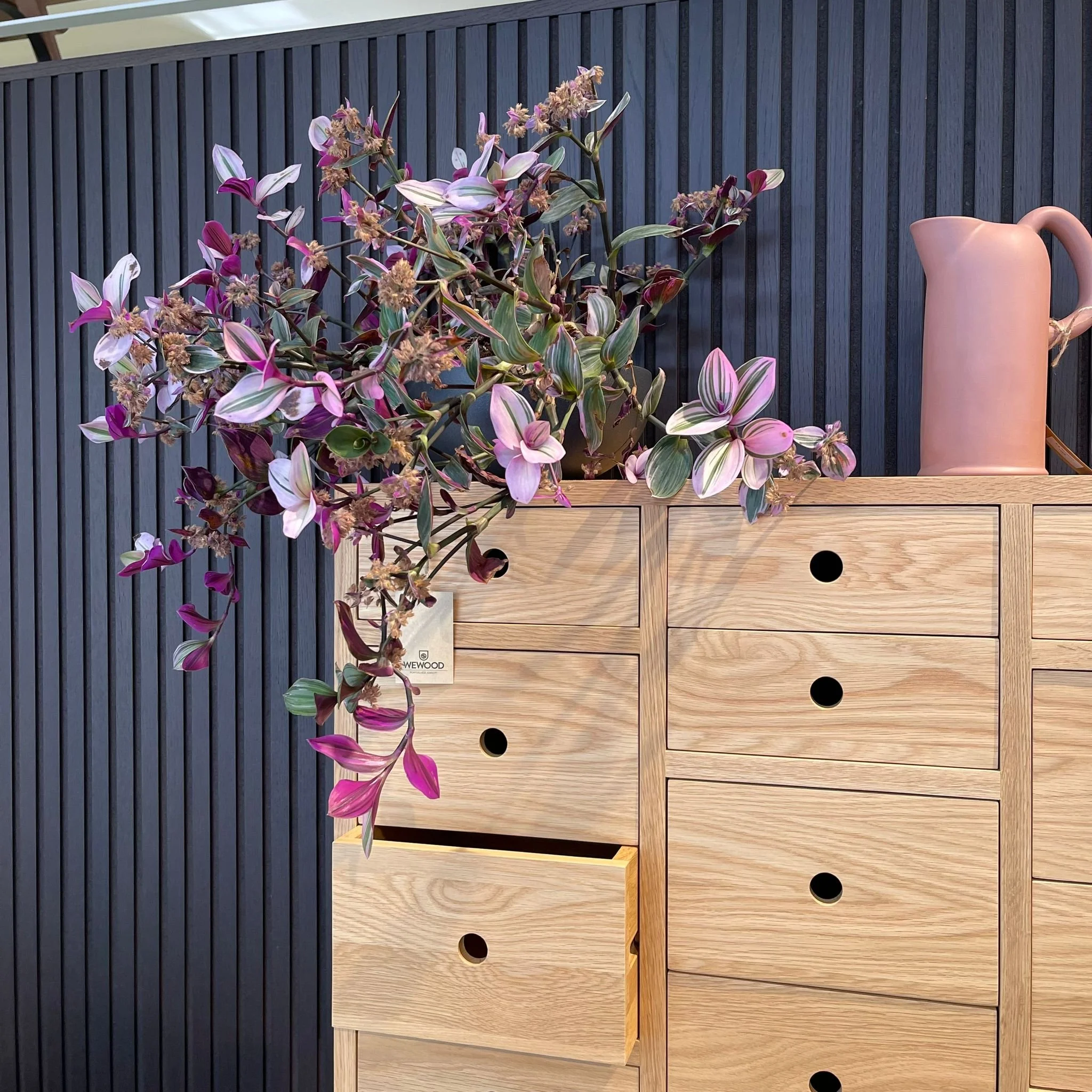
The material that improves with age
Solid wood furniture behaves unlike almost any other material used in the home. Exposure to light deepens its tone. The oils applied to the surface penetrate further with each passing year. Scratches, the small evidence of a life lived, are not damage but patina: a record of use that makes each piece increasingly particular to the people who own it.
Compare this with veneered board or laminate, where a scratch reveals the substrate beneath. These materials cannot recover from impact; they can only be replaced. The economics of durability, examined honestly, strongly favour high-quality wood furniture. A piece that lasts forty years at twice the initial cost is not twice as expensive, it is five times cheaper per decade of use.
"The most sustainable object is one you never have to replace. Solid wood furniture is, by that definition, one of the most sustainable choices available for the home."
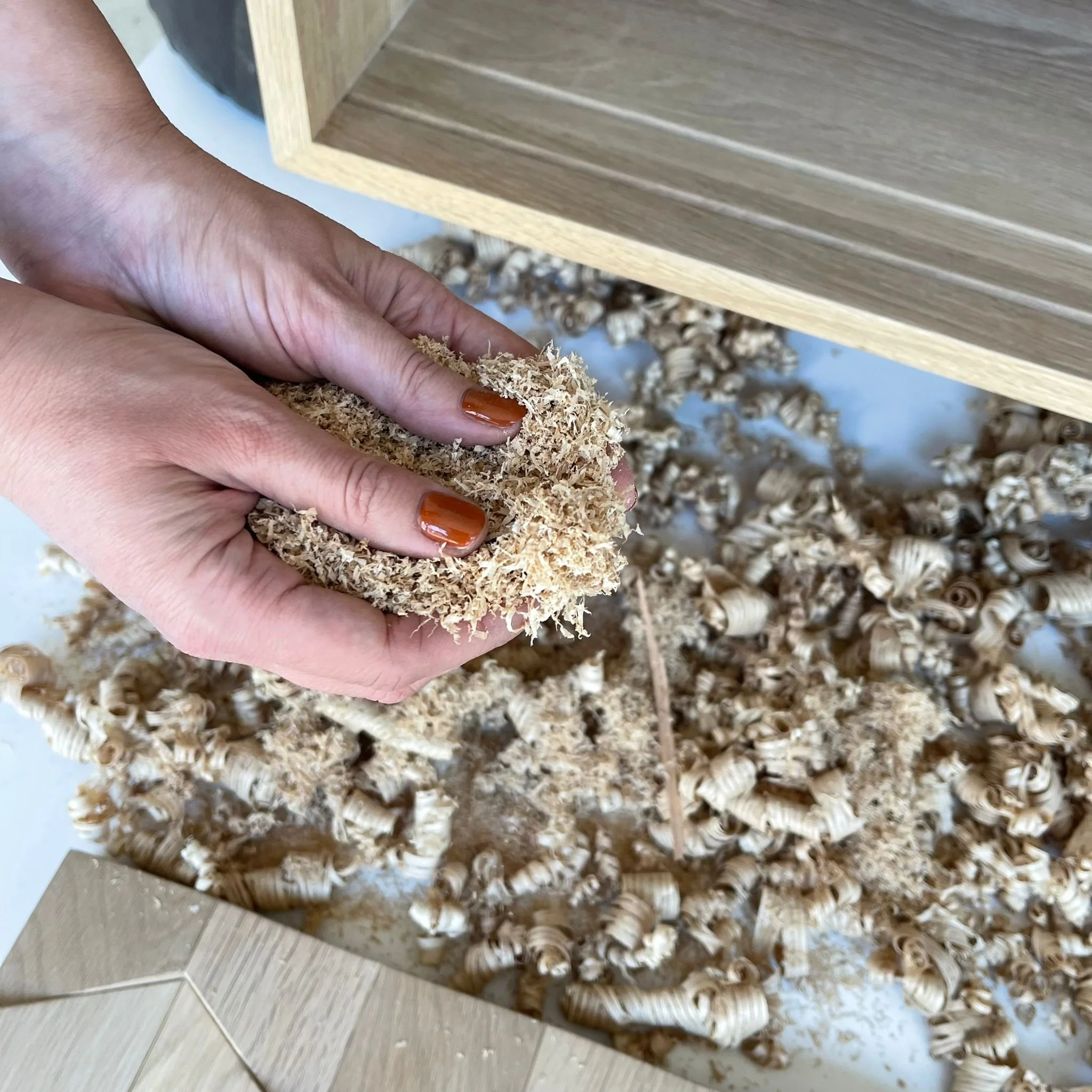
Sustainability is a long game
The conversation around sustainable furniture is often dominated by certifications, forest management schemes, and supply chain traceability, all of which matter. But there is a simpler measure that precedes all of them: longevity. An object that lasts is an object that does not need to be manufactured, shipped, or disposed of again. Its carbon footprint is amortised across decades rather than years.
At Wewood, we source timber from certified forests, oak and walnut. We work with suppliers we can visit, and processes we can verify. But we also believe the most powerful environmental argument for solid wood is the one that requires no certification at all: you simply do not throw it away.
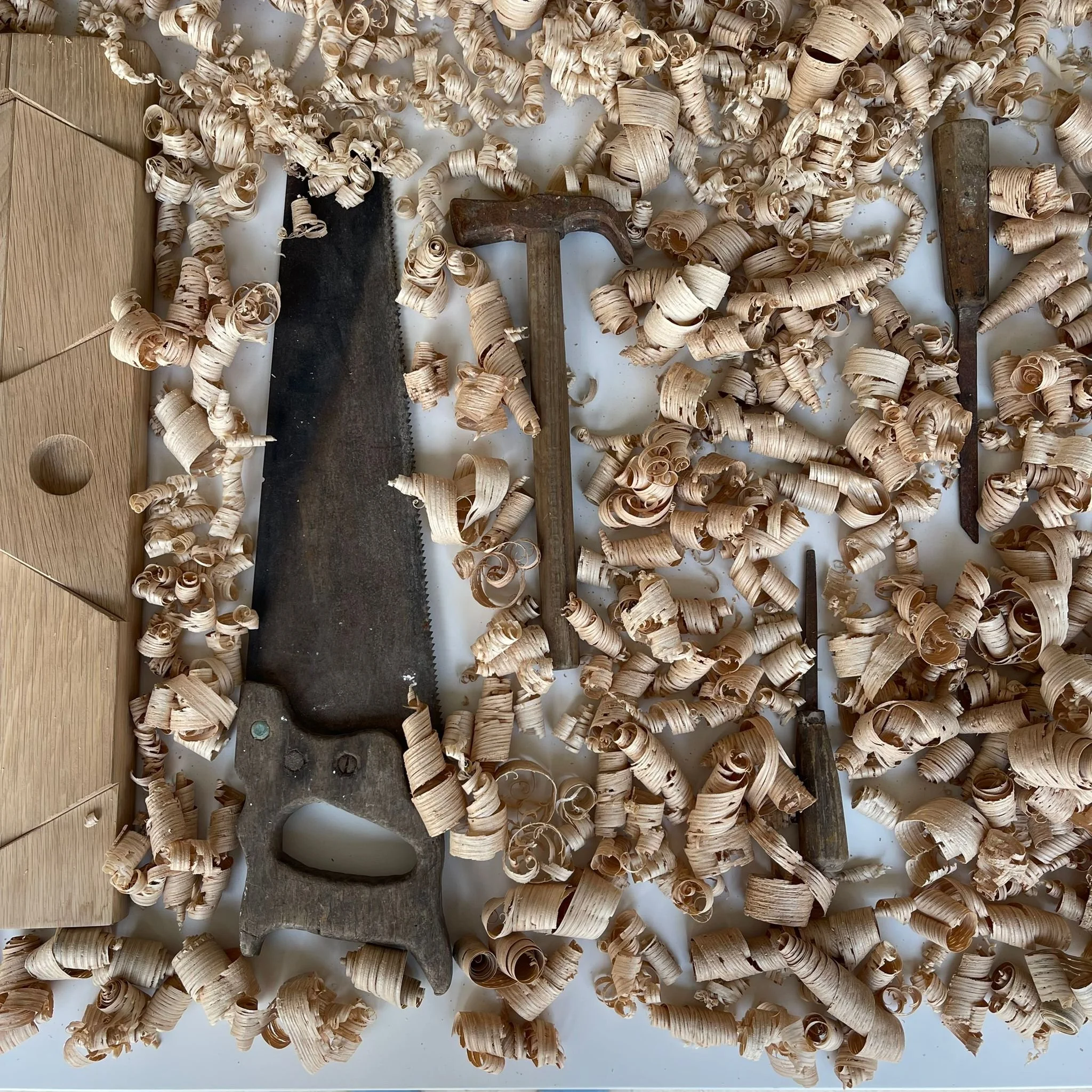
Craftsmanship as a design choice
Every Wewood piece is made in Portugal, in a factory where traditional joinery techniques are applied with contemporary precision. The joints that hold a mortise-and-tenon frame together do not rely on adhesive alone; they are engineered to resist movement and stress across decades of seasonal expansion and contraction. This is not a heritage affectation; it is the correct way to build furniture intended to last.
Portuguese craftsmanship brings something that is difficult to articulate in a product specification but immediately apparent in person: a quality of attention. The kind that shows in the way a drawer closes, in the evenness of a hand-applied oil finish, in the slight warmth of a grain that was selected rather than assigned. Our designers understand this material well enough to let it lead.
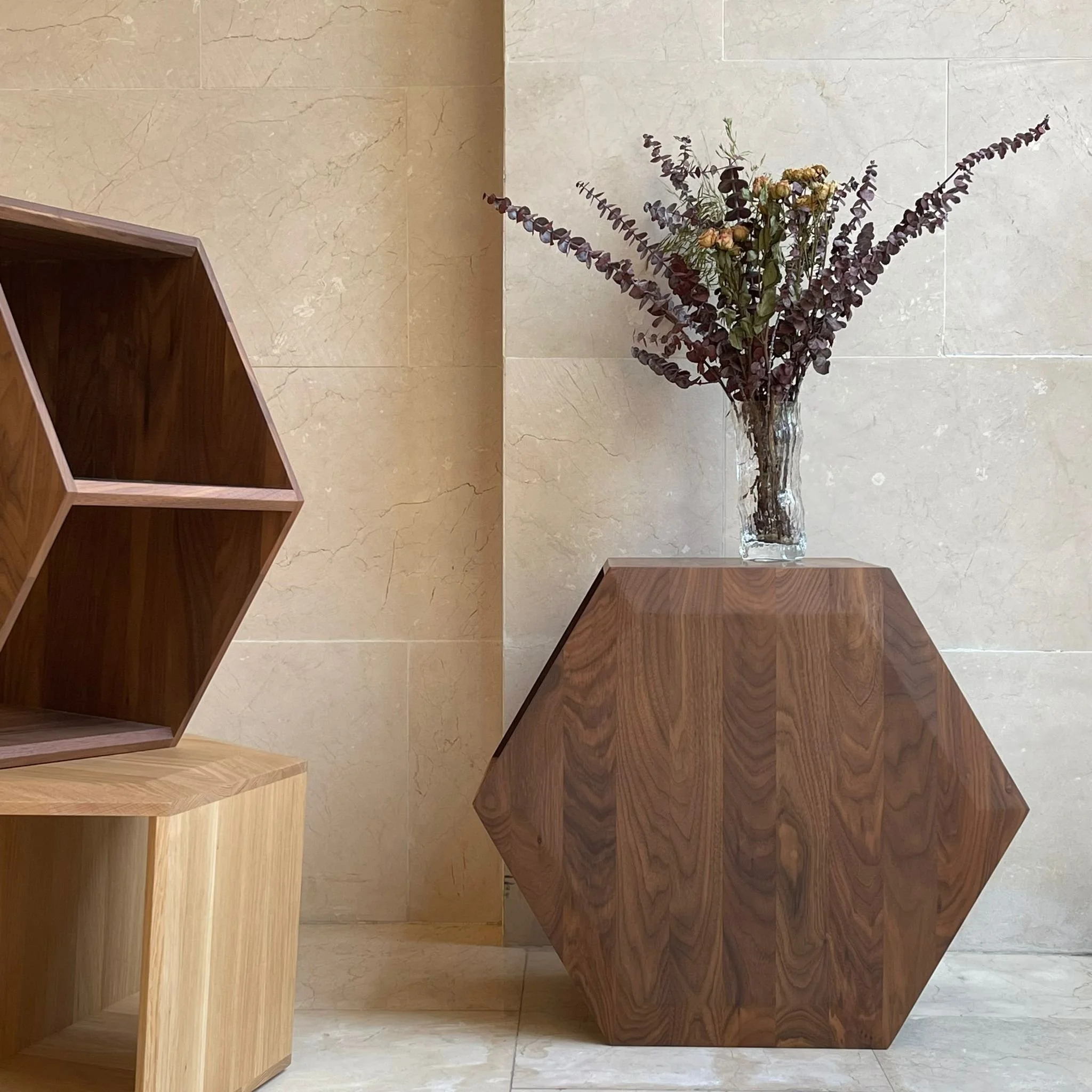
Objects for a considered life
We have always believed that furniture is architecture, the fixed points around which a life organises itself. A dining table is not merely a surface for meals; it is where children do homework, where friends gather on long evenings, where the texture of daily life accumulates. It deserves to be made of something real.
It has been made the same way, with patience, with timber, with joints that hold, for centuries. What changes is the design language: the proportions, the silhouettes, the relationship between weight and lightness that each generation of designers renegotiates. At Wewood, that is where our attention goes, to making pieces that feel entirely of this moment while remaining entirely at home in the next.